Qwen Releases Wan2.2, a 5B Open-Source Video Model
The new Apache 2.0 licensed model from Alibaba's team generates video from either text prompts or still images, offering a unified approach in a compact package.
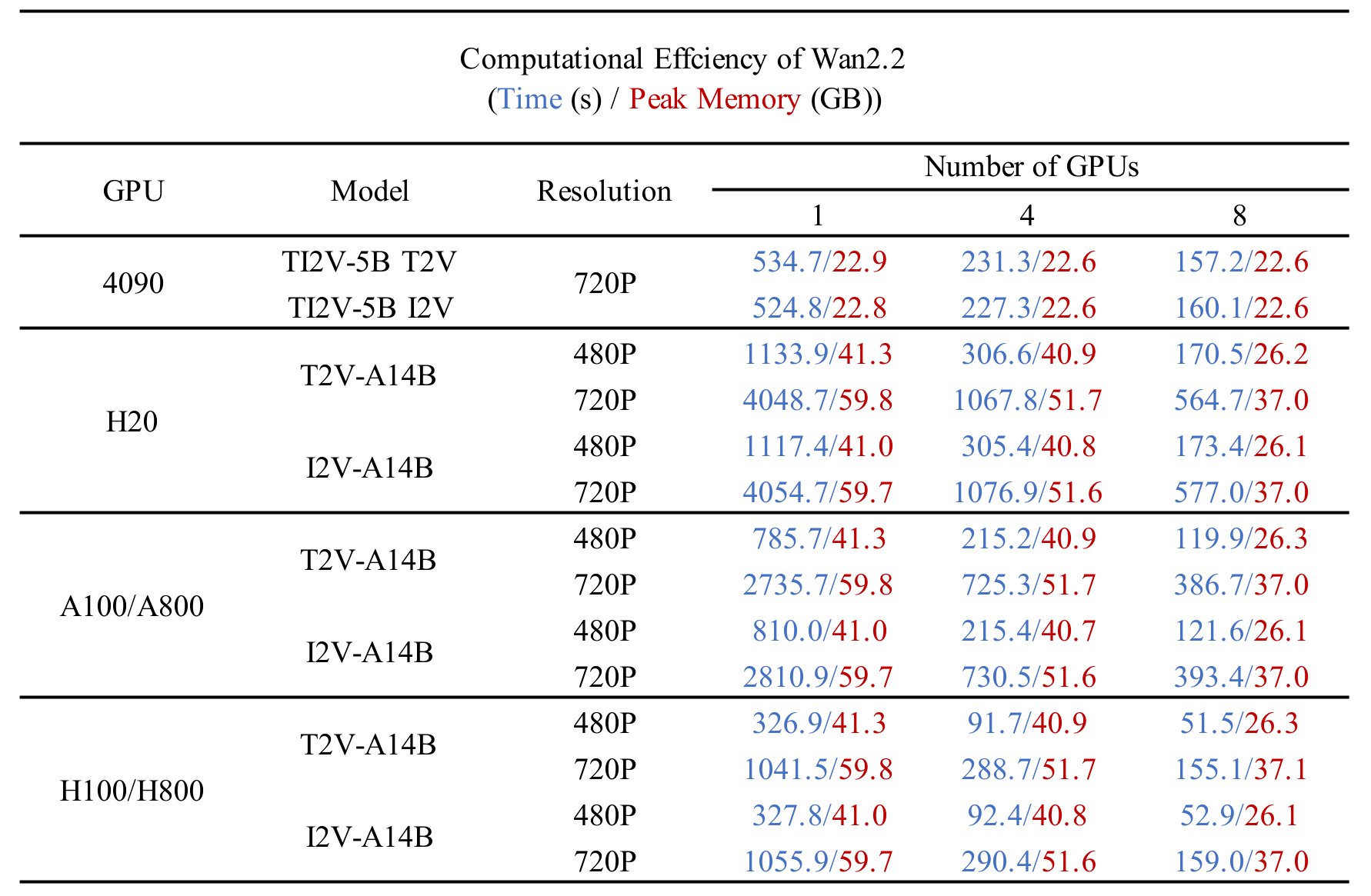
Alibaba's Qwen team has released Wan2.2-TI2V-5B, a new open-source model for video generation. At five billion parameters, the model offers a relatively compact solution for creating short video clips and is available under the permissive Apache 2.0 license, allowing for commercial use.
A key feature of Wan2.2-TI2V-5B is its unified architecture for handling multiple input types. It can generate video from a text description (text-to-video) or animate a still image based on a prompt (image-to-video). This flexibility is packaged for broad accessibility, with the official release available in the popular Diffusers format.
A Versatile Tool for Generative Video
The release adds another strong contender to the rapidly evolving open-source video landscape. Its 5B parameter size strikes a balance between capability and accessibility, potentially enabling more developers and researchers to experiment with high-quality video generation without requiring massive computational resources.
The model's dual-input nature and commercial-friendly license position it as a versatile foundation for building creative applications. Developers can access the weights and usage examples for Wan2.2-TI2V-5B on the Hugging Face Hub.
Sources
- Visit
Wan-AI/Wan2.2-TI2V-5B-Diffusers
Hugging Face
More in Text → Video

MiniMax Releases H3 Video Model on Hugging Face
The company's new diffusion model handles text-to-video and image-to-video, with support for joint audio-video generation.

Lightricks Releases LTX-2.5 Video Model
The latest LTX generator handles text-to-video, image-to-video, and audio-video pipelines in one open release.
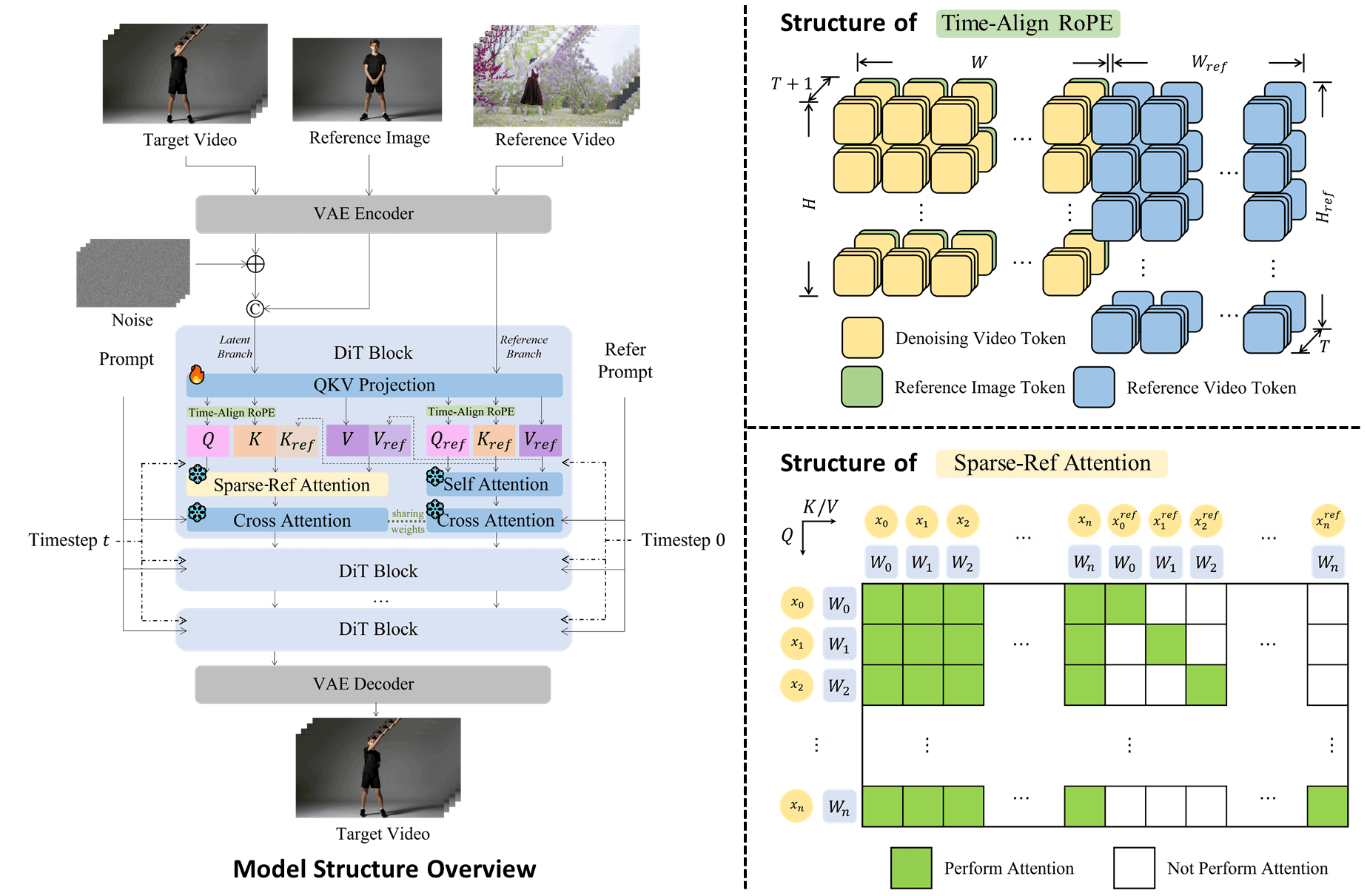
Alibaba's Wan2.2-Animate-2 14B lands under Apache 2.0
A permissively licensed 14B video model aimed at character animation joins the growing Wan family.
0 comments
No comments yet. Be the first to weigh in.