NVIDIA Releases Cosmos 3 for World Simulation
The new open models push NVIDIA's world-foundation effort toward interactive, real-time video generation.
NVIDIA has introduced Cosmos 3, the latest generation of its open models aimed at interactive world simulation and video generation. According to the company's announcement on Hugging Face, the models can generate video from both text prompts and input images, extending NVIDIA's ongoing effort to build foundation models that understand and predict physical environments.
What it does
Cosmos sits in a growing category of "world models" — systems designed to simulate how a scene evolves over time rather than simply producing a static image. That focus on interactivity and continuity makes the family especially relevant to robotics, autonomous systems, and other domains where machines need a sense of how the world behaves.
The release emphasizes two core capabilities:
- Image-to-video, turning a single frame into a coherent generated sequence
- Text-to-video, producing motion and scenes directly from written prompts
The models are published under a custom license, continuing NVIDIA's pattern of making weights broadly available while attaching its own usage terms rather than a standard open-source license.
Why it matters: High-quality simulated environments are a bottleneck for training physical AI. By releasing Cosmos 3 openly, NVIDIA gives researchers and developers a way to generate synthetic worlds and video data without building such systems from scratch — a meaningful step as interactive simulation becomes central to robotics and embodied AI. Full details are available in NVIDIA's Cosmos 3 announcement.
Sources
More from NVIDIA
All NVIDIA releases →NVIDIA's Cosmos 3 Brings Open Interactive World Models
The new open release pushes beyond passive video generation toward simulated worlds that respond to input.
NVIDIA releases compact Dory 1.0 4B text model
The new Nemotron Labs model packs a 4-billion-parameter language model trained on NVIDIA's Nemotron datasets.
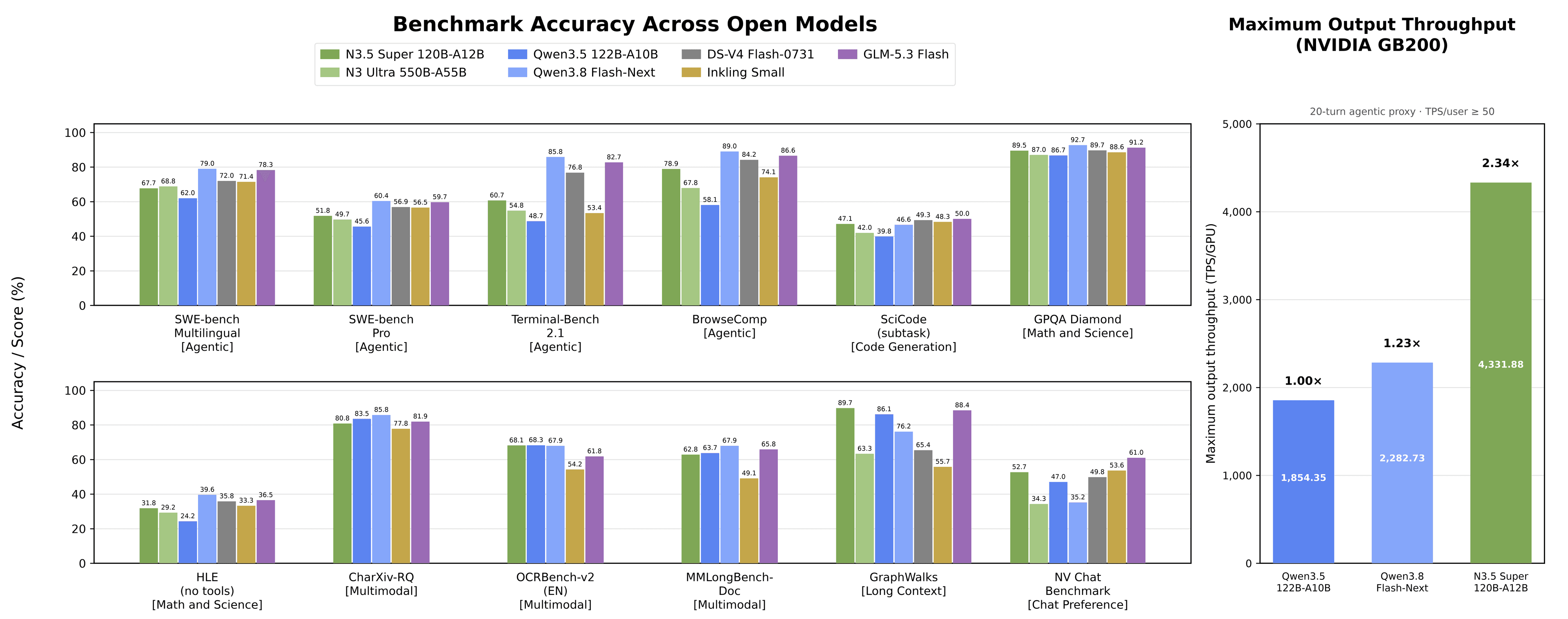
NVIDIA's Nemotron 3.5 Super VL Pairs Vision With MoE Efficiency
The 120B-parameter vision-language model activates just 12B per token and ships in NVIDIA's NVFP4 format for leaner inference.
More in Image → Video
All Image → Video →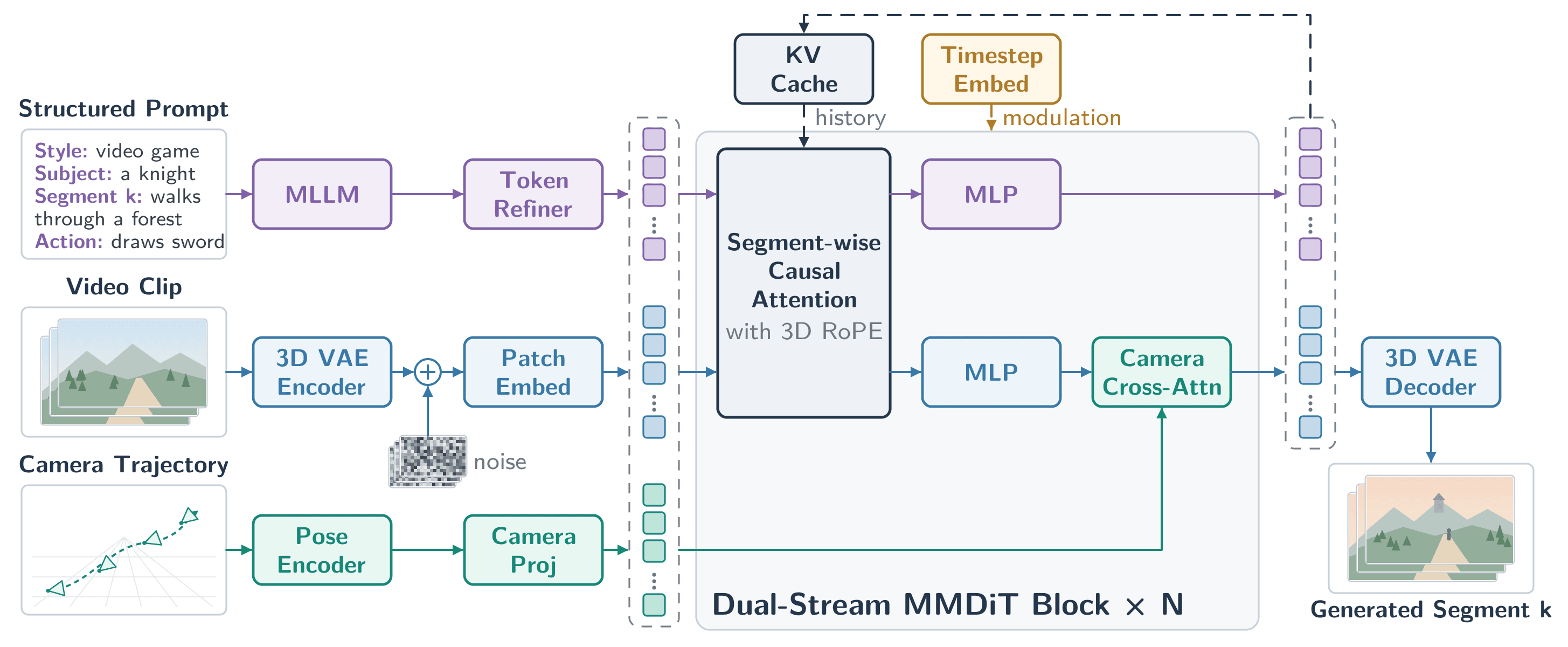
Tencent Releases Hy-Nomas, an Interactive Video World Model
The open-weights model pairs text- and image-to-video generation with action-aware causal attention and explicit camera control.
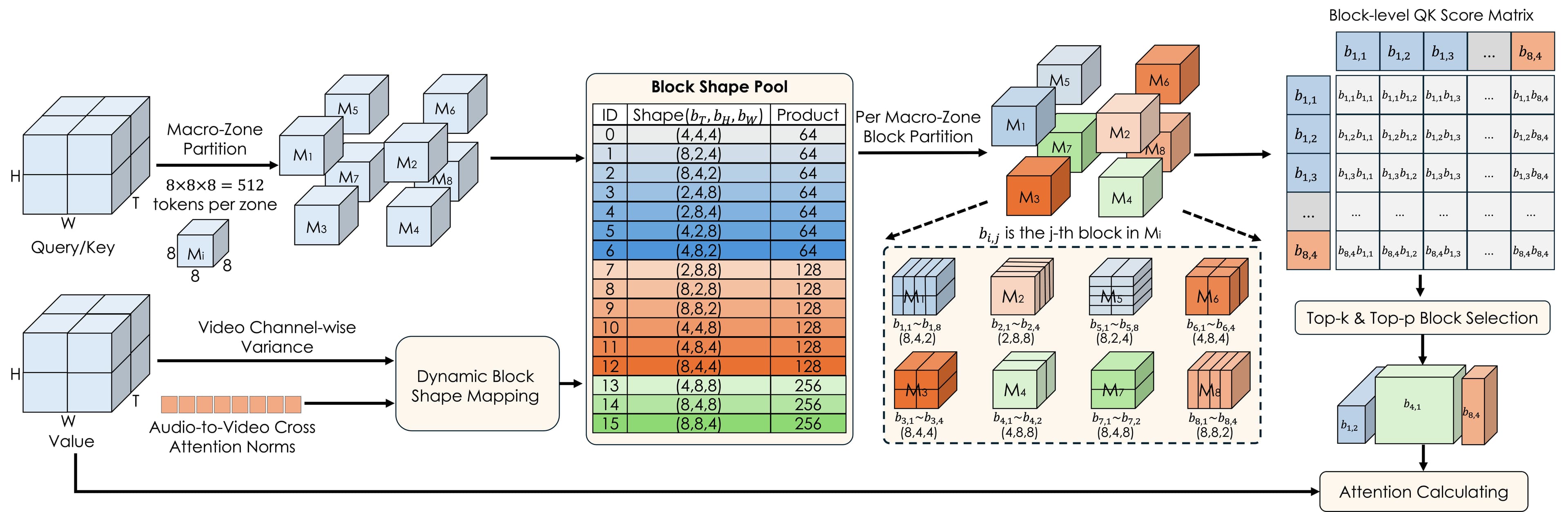
Prism Brings Joint Video-Audio Generation to Diffusion
A new MIT-licensed video diffusion transformer pairs high-resolution image-to-video output with synchronized audio and sparse attention.

Viggle Releases Viggle-Animate for Character Swaps
The open image-to-video model targets character replacement and video editing, distilled from MiniMax-H3.
0 comments
No comments yet. Be the first to weigh in.