Qwen-Drive 1.0 targets autonomous driving with a 4B VLM
Alibaba's Qwen team brings its vision-language stack to the road with a compact model built for perception and motion planning.
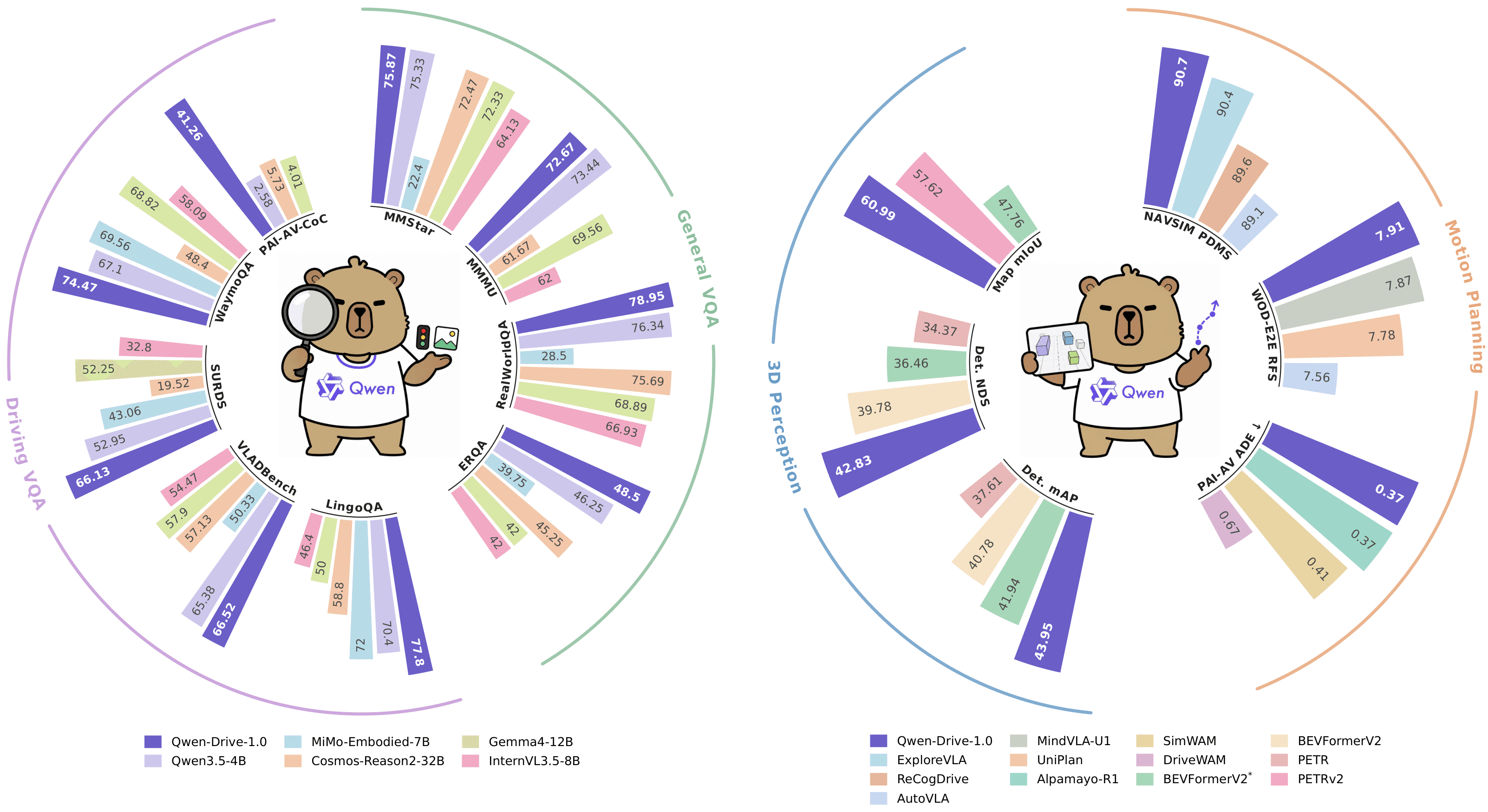
Alibaba's Qwen group has released Qwen-Drive-1.0-4B, a vision-language model aimed squarely at autonomous driving. At roughly 4 billion parameters, it is designed to handle both perception — interpreting what a vehicle's cameras see — and motion planning, the harder task of deciding what the car should do next.
The move signals Qwen's push into a vertical domain rather than a general-purpose chatbot. Most of the Qwen lineup so far has focused on broad language and multimodal reasoning; Qwen-Drive narrows that lens to a single, safety-critical application where visual understanding and spatial planning have to work together.
Why it matters
Autonomous driving has become a proving ground for vision-language models, which can reason about scenes in natural language rather than relying solely on specialized detection pipelines. A few points stand out about this release:
- It is a dense 4B model, small enough to be practical for on-vehicle or edge deployment scenarios.
- It combines perception and planning in a single VLM, reflecting the industry's interest in end-to-end approaches.
- It ships under a custom license, so teams should review the terms before commercial use.
This is the first entry in the Qwen-Drive family, and the details available at launch are modest — the record lists no published context length or benchmark figures. As with earlier Qwen releases, the real test will be how the model performs against established driving benchmarks and whether Qwen expands the family with larger variants. For now, its arrival on Hugging Face gives researchers a compact, open starting point to experiment with driving-focused multimodal models.
Sources
- Visit
Qwen/Qwen-Drive-1.0-4B
Hugging Face
More from Qwen · Alibaba
All Qwen · Alibaba releases →Qwen-Audio-3.1-ASR Adds Speaker-Aware Transcription
Alibaba's new open audio-language model transcribes and diarizes speech across 30 languages under an Apache 2.0 license.

Qwen-Image-2.1-Turbo targets faster generation
Alibaba's Qwen team ships a distilled, few-step variant of its image model built for speed.
Qwen-Image-2.1 Adds RGBA to Image Generation
Alibaba's Qwen team updates its open image model with transparency support and joint text-to-image and editing capabilities.
More in Vision-Language
All Vision-Language →
DeepSeek V4.1-Flash Adds Vision and Reasoning
The new MIT-licensed checkpoint folds image understanding and reasoning into DeepSeek's fast, mixture-of-experts Flash line.
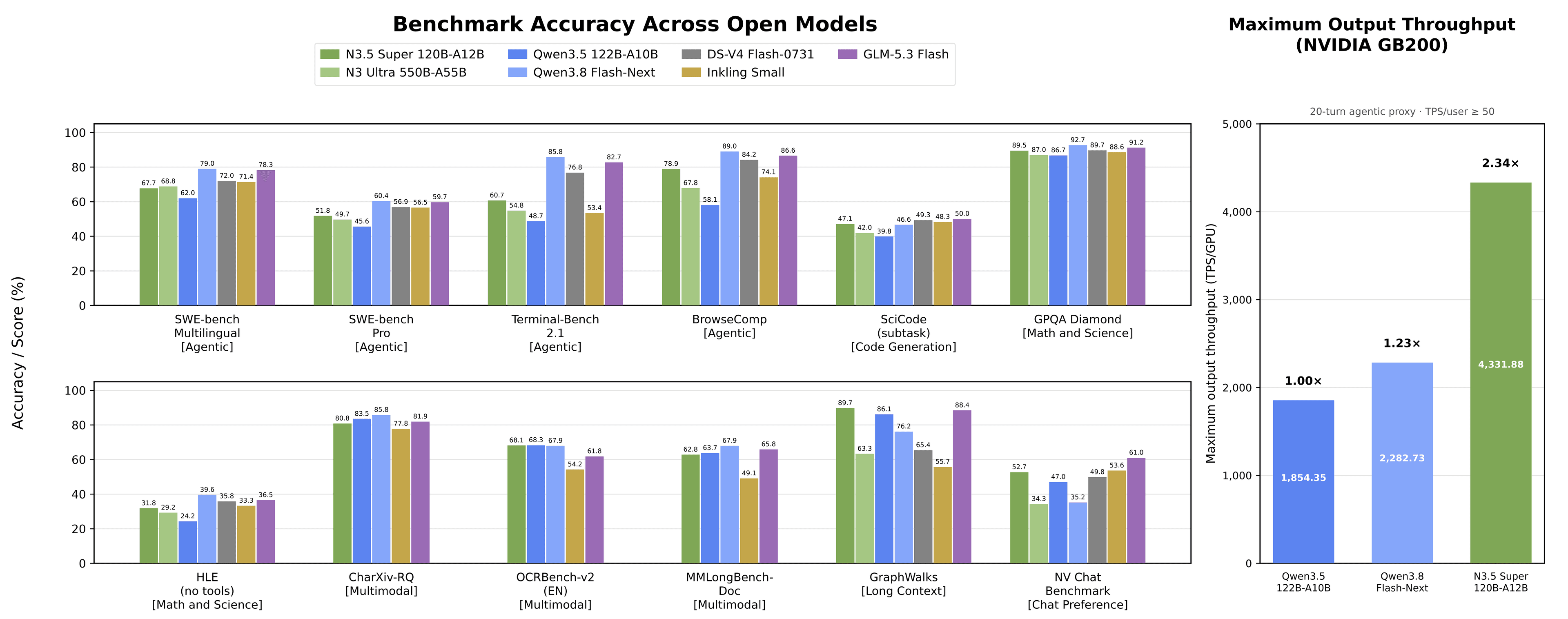
NVIDIA's Nemotron 3.5 Super VL Pairs Vision With MoE Efficiency
The 120B-parameter vision-language model activates just 12B per token and ships in NVIDIA's NVFP4 format for leaner inference.
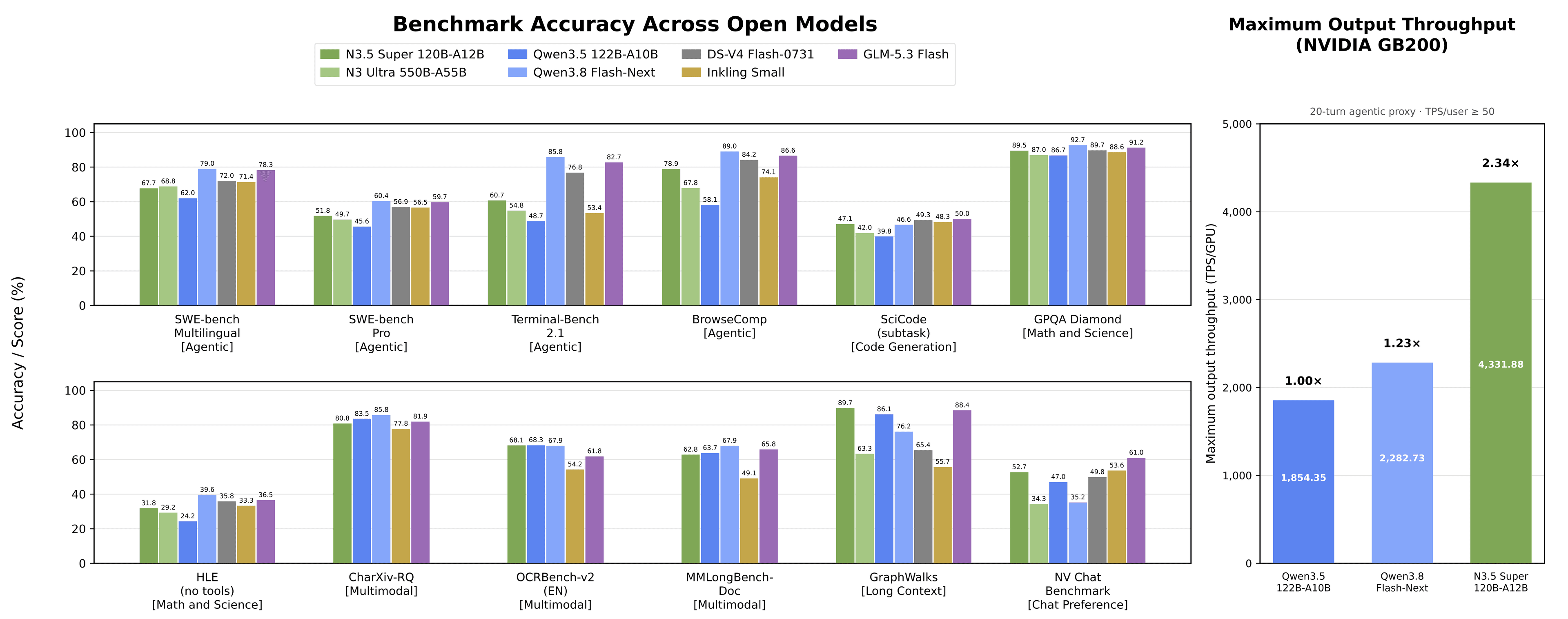
NVIDIA's Nemotron 3.5 Super VL Pairs Vision With MoE
The new vision-language model carries 120B total parameters but activates just 12B per token, aiming to keep multimodal inference efficient.
0 comments
No comments yet. Be the first to weigh in.