Cohere Releases North-Mini-Code, an Open MoE Model
The new Apache 2.0-licensed model is designed for code generation and agentic chat applications, using a Mixture-of-Experts architecture for efficiency.
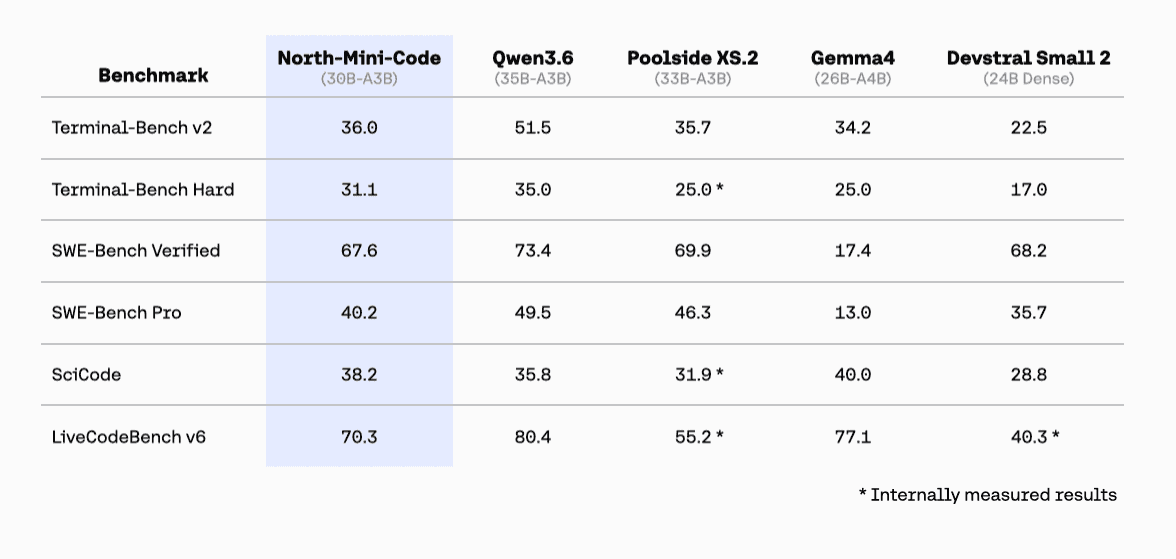
Cohere has introduced North-Mini-Code 1.0, a new open-source model aimed at developers working on coding and AI agent applications. The model is released under the permissive Apache 2.0 license, allowing for broad commercial and research use.
What sets North-Mini-Code apart is its Mixture-of-Experts (MoE) architecture. This design allows the model to activate only specific parts of its network—the "experts"—for any given task. The result is a model that can perform like a much larger dense model while requiring significantly less computational power during inference, making it more efficient to run.
According to the official release information available on its Hugging Face repository, the model is optimized for two primary use cases: direct code generation and powering "agentic chat." This suggests capabilities beyond simple code completion, enabling more complex conversational agents that can understand and execute programming-related instructions.
This release adds a noteworthy and efficient option to the landscape of open-source code models. By combining a commercially friendly license with the performance benefits of an MoE architecture, Cohere is providing a valuable tool for developers looking to build and deploy sophisticated, code-aware AI features without relying on proprietary, closed-source APIs.
Sources
- Visit
CohereLabs/North-Mini-Code-1.0
Hugging Face
More in Code
Tencent's T1 Targets Long-Horizon Terminal Work
A 122B mixture-of-experts model trained with reinforcement learning claims state-of-the-art results on Terminal-Bench.
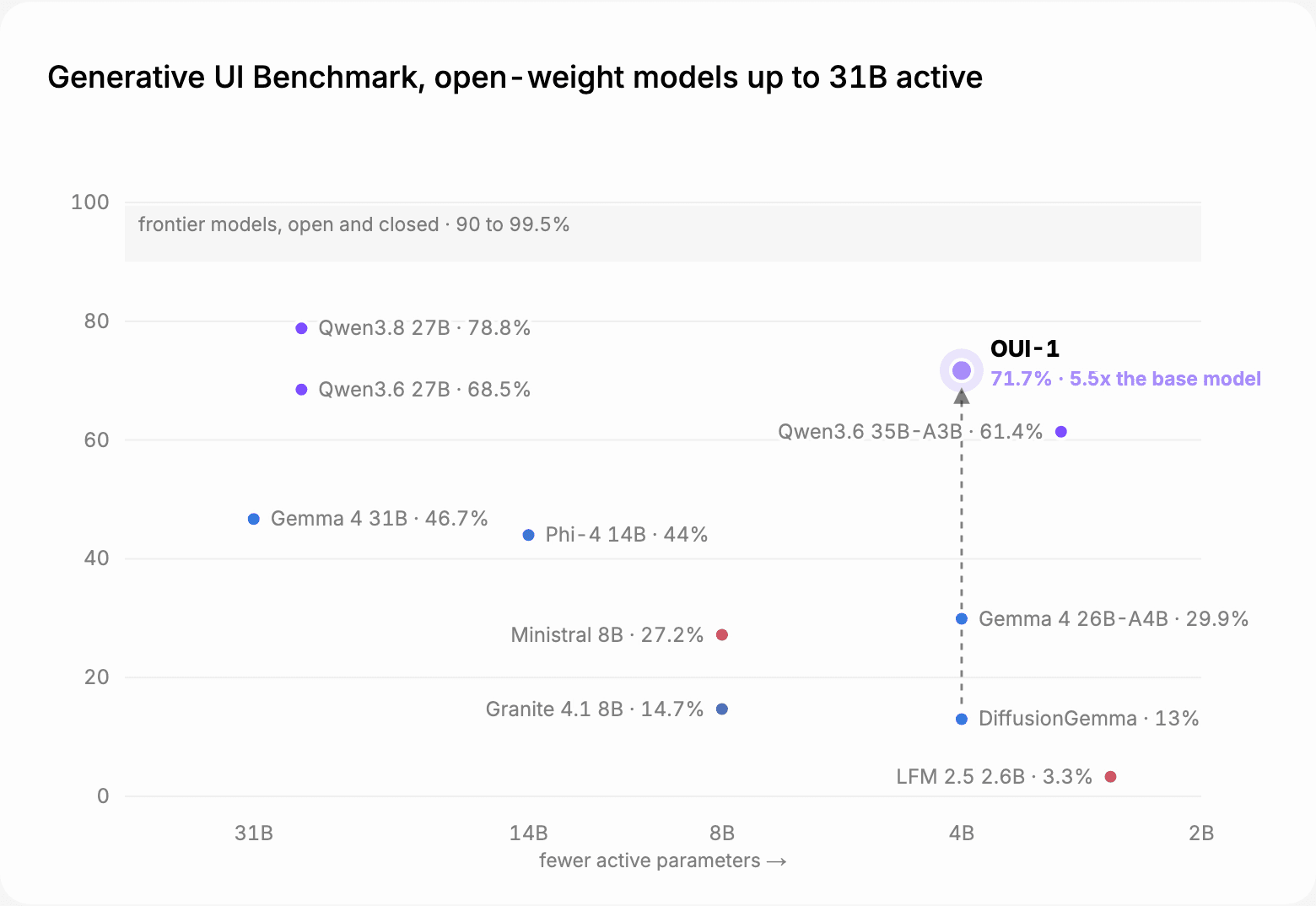
OUI-1: A Gemma-based diffusion model for generative UI
Thesys releases an experimental diffusion language model aimed at turning prompts into user interfaces, built atop Google's Gemma.
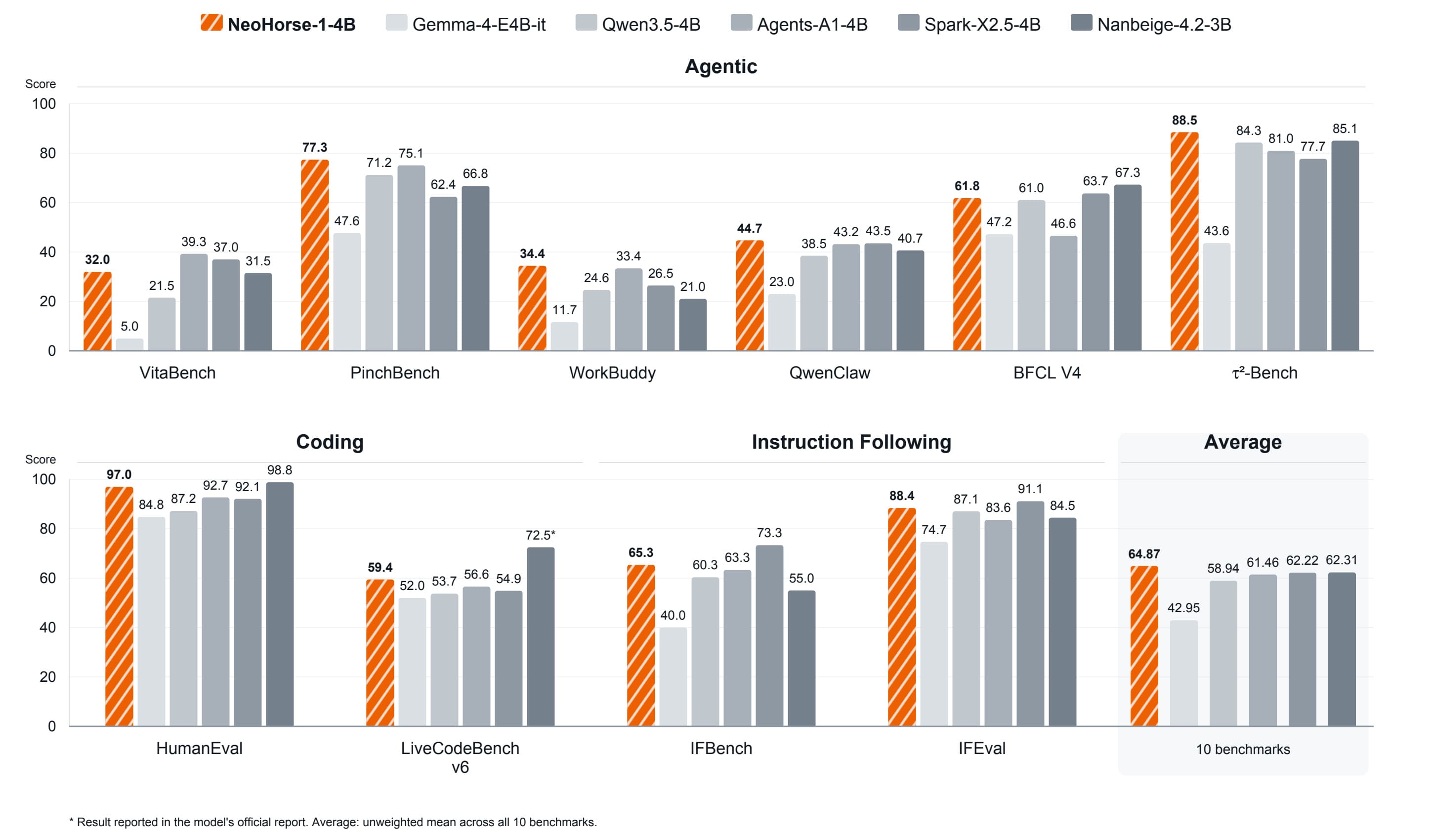
NeoHorse-1-4B tunes Qwen3.5 for agentic work
A compact 4-billion-parameter model built for tool use, coding, and multi-step reasoning arrives from TokenRhythm.
0 comments
No comments yet. Be the first to weigh in.