Meta's Muse Glimmer 30B Targets Local Agentic Coding
A 30-billion-parameter multimodal model built to run locally, released under Apache 2.0 with an eye on agentic coding workflows.
Meta AI has released Muse Glimmer 30B, a 30-billion-parameter model that blends vision, code, and reasoning capabilities in a single dense architecture. The company is positioning it as an open, local-first tool for agentic coding — the kind of workflow where a model plans, reads context, and executes tasks with limited hand-holding.
Unlike a mixture-of-experts design, Glimmer is a dense 30B model, which keeps its behavior predictable and its footprint manageable for teams that want to run it on their own hardware rather than through an API. It ships under the permissive Apache 2.0 license, allowing commercial use and modification without the usage caveats attached to some other open-weight releases.
Why it matters
The interesting move here is the combination of traits Meta is emphasizing:
- Multimodal (VLM): it can process images alongside text, useful for reading screenshots, diagrams, or UI states in a coding loop.
- Agentic: framed for multi-step, tool-using workflows rather than one-shot chat.
- Local and open: the 30B size and Apache license make on-premises deployment realistic for privacy-conscious or cost-sensitive teams.
That mix puts Glimmer in direct conversation with the growing class of open coding assistants, where the pitch is less about raw leaderboard supremacy and more about control — running capable models close to your data without vendor lock-in.
Meta has not published a context length or detailed specifications in the record accompanying this release, and independent benchmarks will ultimately determine how Glimmer stacks up against comparable open models. For now, the details and weights are available through Meta's announcement on Hugging Face.
Sources
More from Meta AI
All Meta AI releases →Meta AI debuts Muse Ember, a compact open model
The company's smallest, most efficient open-weight language model targets lean, on-device text workloads.
Meta's Muse Spark Open Targets Agentic Coding
The open-weight model pairs a million-token context window with a focus on long-horizon code tasks.
Meta's Muse Spark Open Targets Agentic Coding
The new open-weight model pairs a million-token context window with Meta's bet on long-horizon coding agents.
More in Vision-Language
All Vision-Language →
SenseTime Releases Looped 9B Multimodal Model
The company's new SenseNova-Loop-9B pairs vision-language capabilities with a recurrent looped-transformer design.
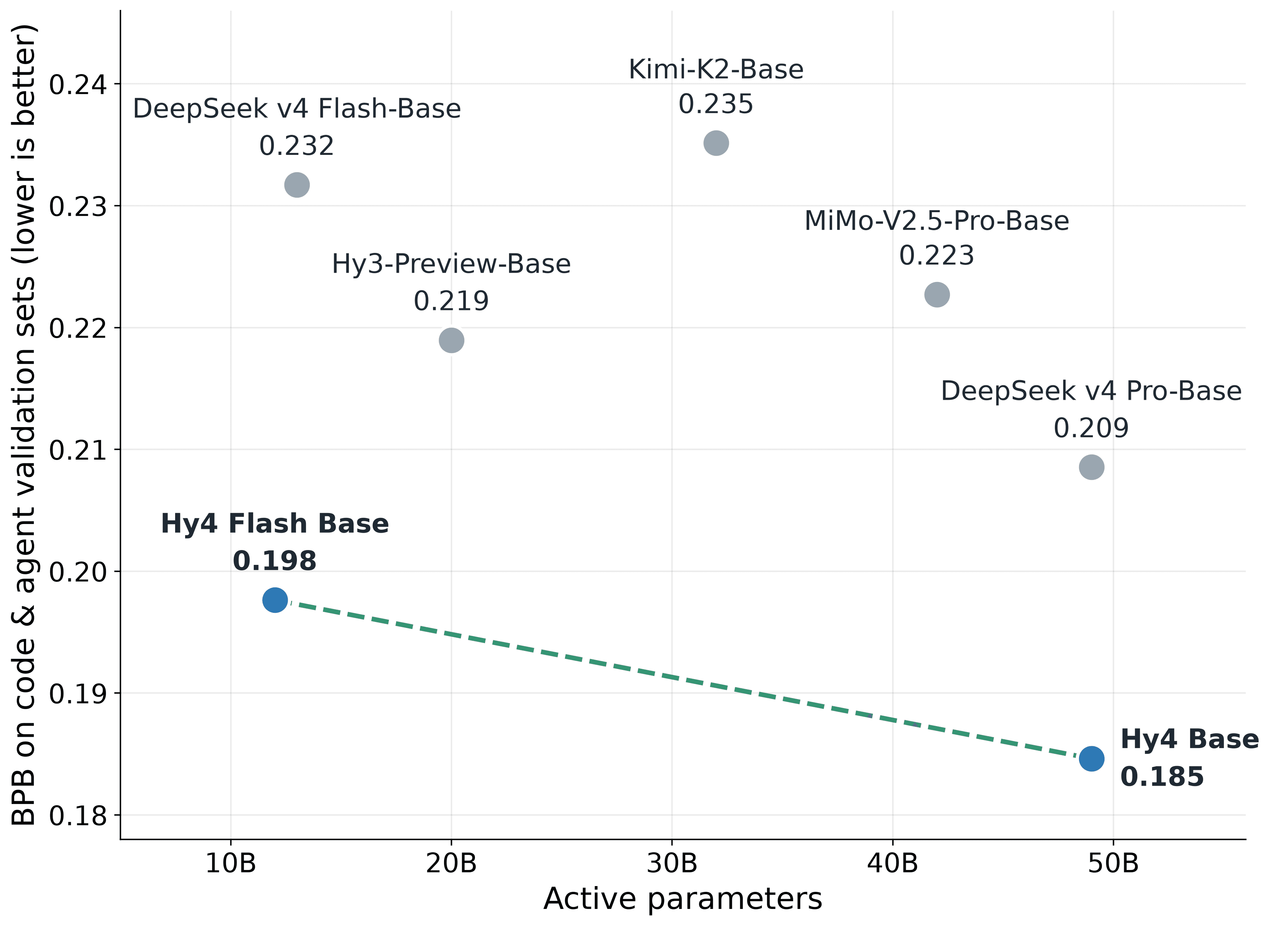
Tencent releases Hunyuan Hy4-flash multimodal MoE
The lightweight, mixture-of-experts model adds vision and text instruction-following to Tencent's open Hunyuan lineup.
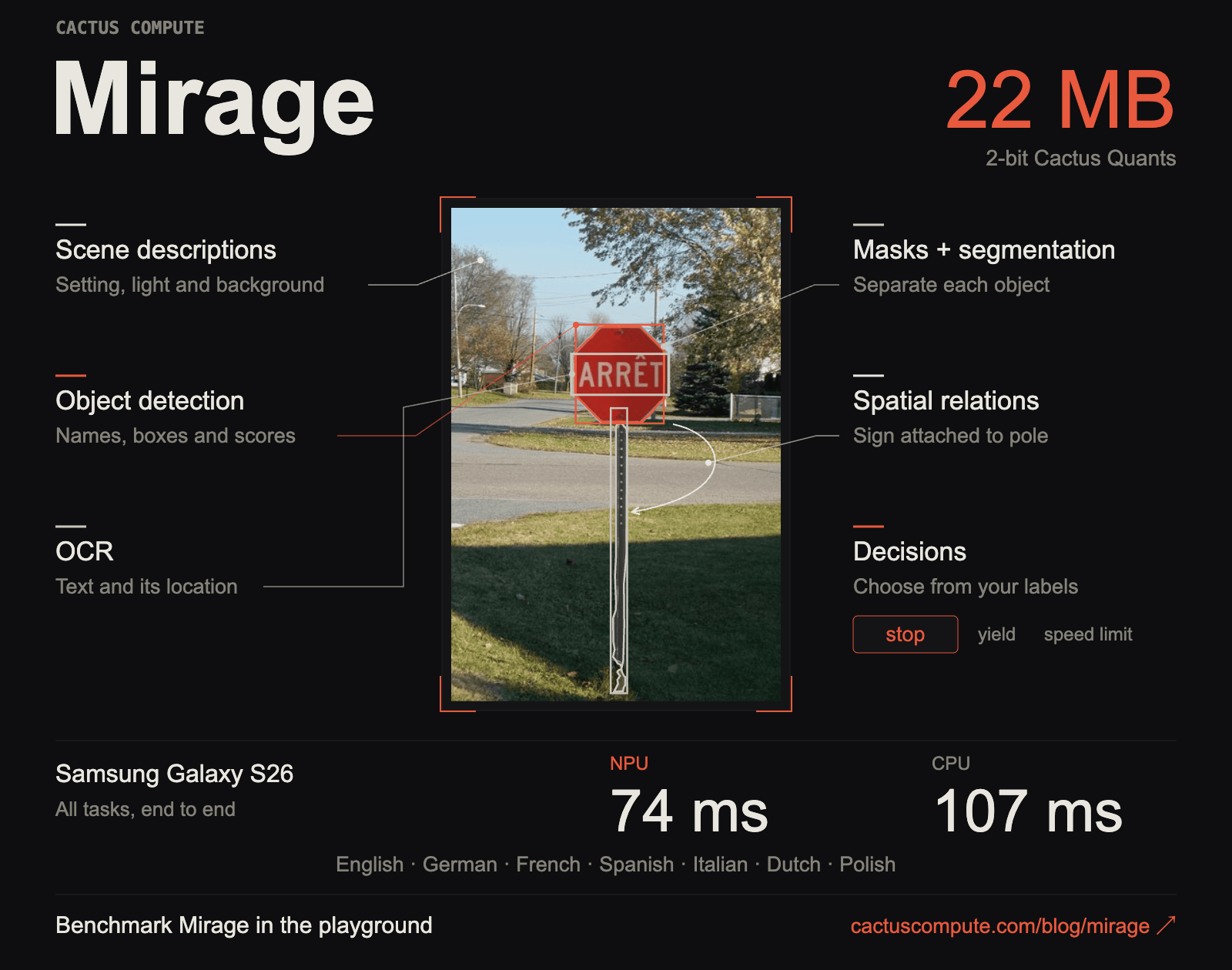
Cactus Compute's Mirage brings vision tasks on-device
The new open vision-language model targets detection, segmentation, and visual Q&A without relying on the cloud.
0 comments
No comments yet. Be the first to weigh in.