MiniCPM-o 4.5 Offers 'Any-to-Any' Multimodal AI
The new model from OpenBMB supports mixed-modality inputs and outputs, from text and images to audio and video, in a single efficient package.
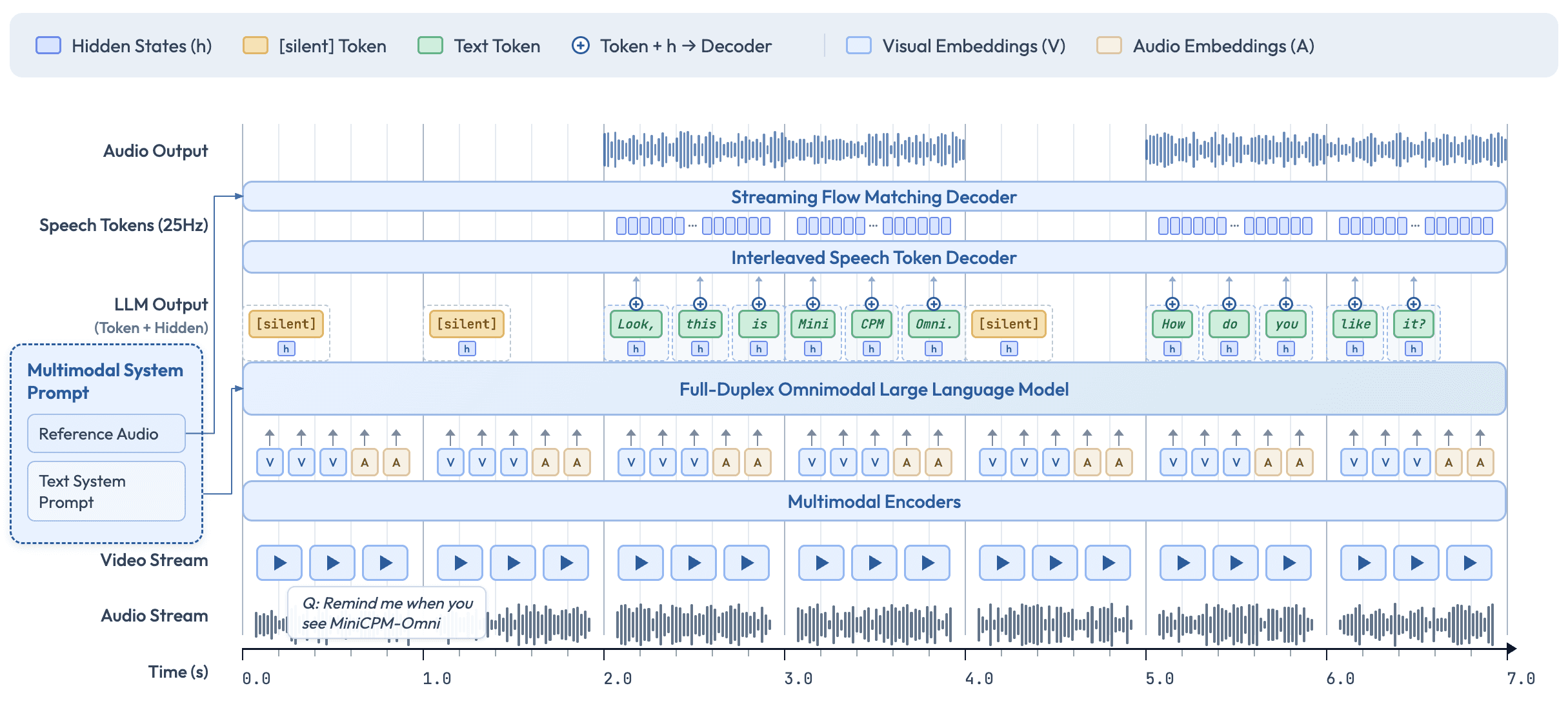
OpenBMB has released MiniCPM-o 4.5, a new multimodal model that pushes the boundaries of how AI can interact with different types of data. Unlike many vision-language models that primarily accept images and text to produce only text, MiniCPM-o is designed for 'any-to-any' communication.
This means the model can process a mix of inputs—such as text, images, and audio—and generate a combination of outputs in a single turn. The project describes this capability as 'full-duplex,' enabling more dynamic and complex interactions than traditional request-and-response models. This approach opens the door for more sophisticated conversational agents and creative tools.
The release is available in the popular GGUF format, which is significant for developers and hobbyists. GGUF allows large models to run efficiently on consumer-grade hardware, including CPUs and GPUs, lowering the barrier to entry for experimenting with advanced multimodal AI. You can find the model files and further details on the Hugging Face repository.
Released under the permissive Apache 2.0 license, MiniCPM-o 4.5 provides a powerful new building block for applications that require a deeper, more integrated understanding and generation of multiple media types.
Sources
- Visit
openbmb/MiniCPM-o-4_5-gguf
Hugging Face
More in Any-to-Any
StepFun's StepAudio 3 Realtime targets live voice AI
The audio-language foundation model builds a listen-converse-think-act loop aimed at natural, low-latency spoken interaction.
SenseTime's SenseNova-U1.5 Unifies Vision Tasks
An 8B model drops the usual encoder and VAE in favor of a single native architecture spanning understanding, reasoning, and image generation.
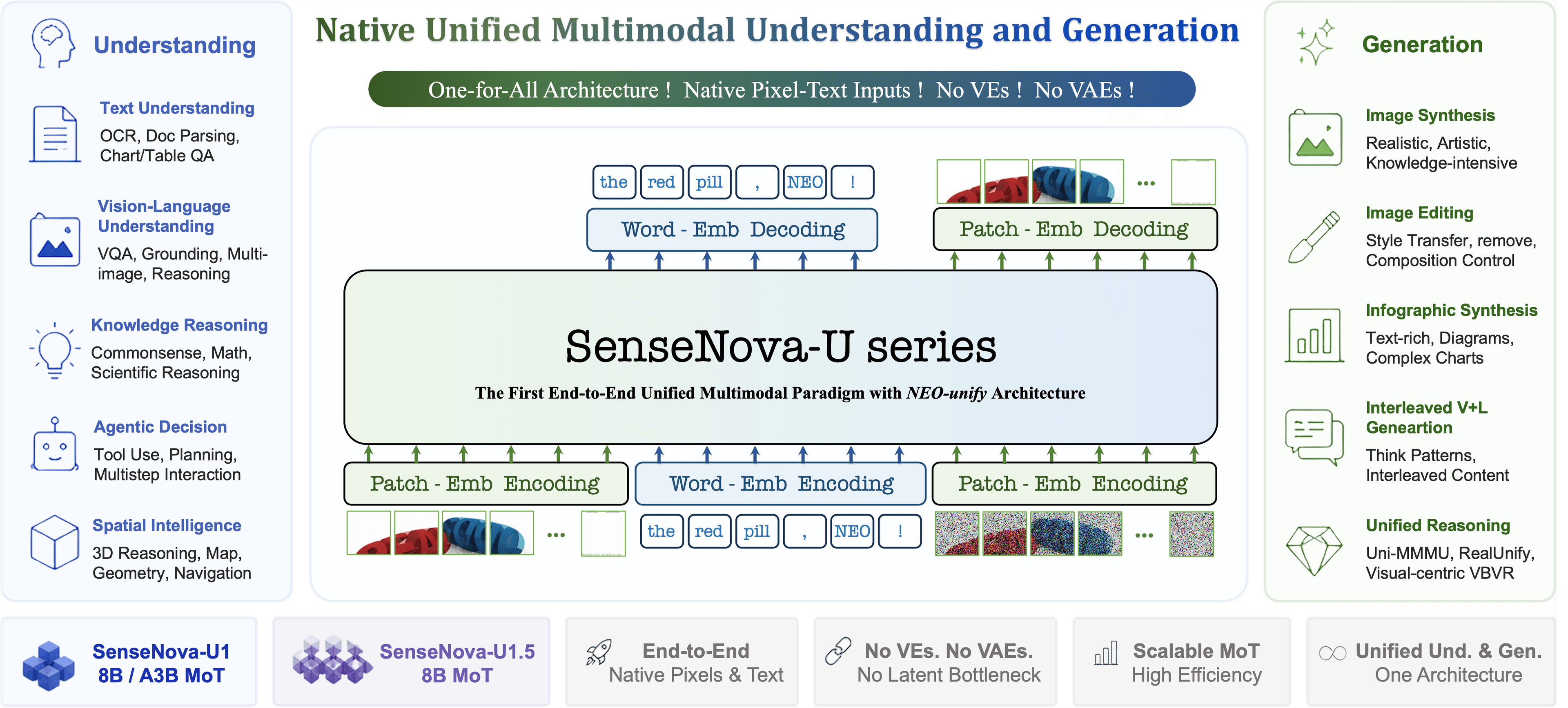
SenseTime Releases SenseNova U1.5 8B Any-to-Any Model
The new 8B multimodal model handles text, images, and image editing within a single native architecture.
0 comments
No comments yet. Be the first to weigh in.