ByteDance Releases Tar-7B for 'Any-to-Any' Multimodality
The new 7-billion-parameter model from the company's SEED team can process and generate a mix of text, images, audio, and video in a single unified framework.
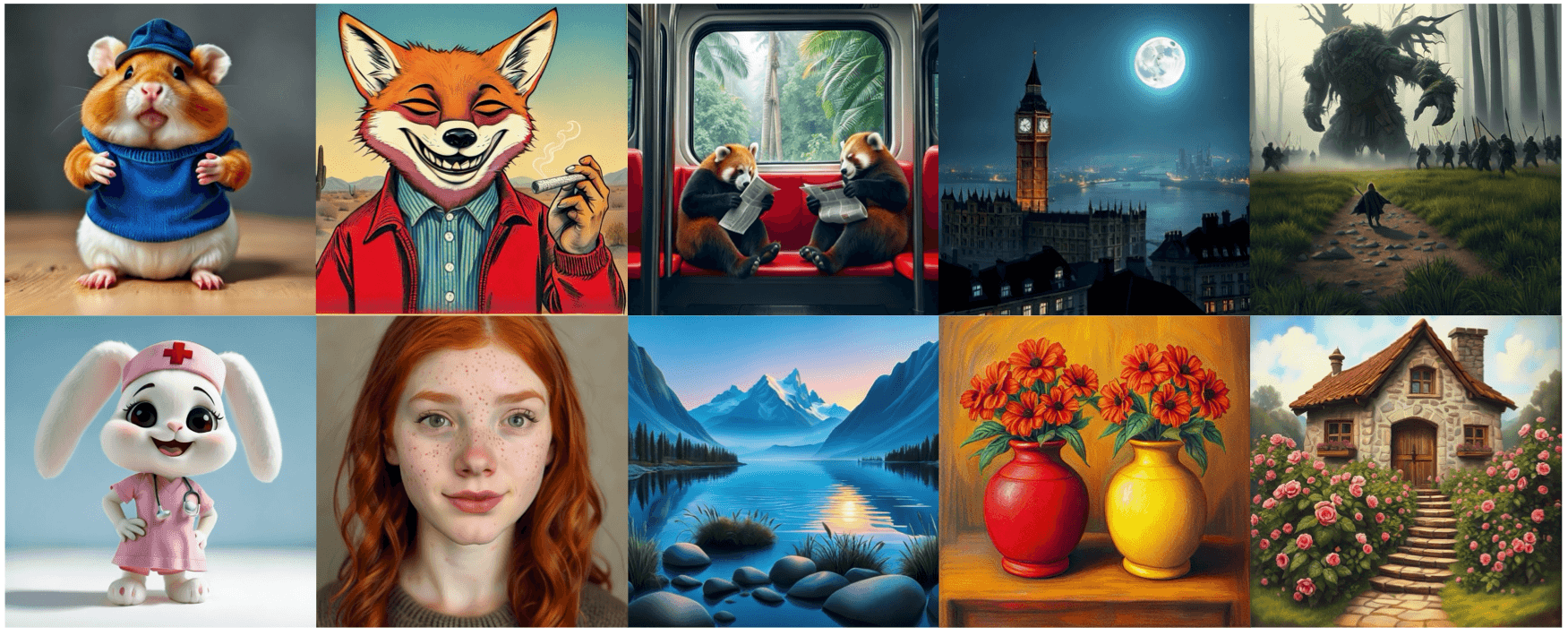
ByteDance's SEED research team has introduced Tar-7B, a new open-source model aimed at unifying multimodal AI. At 7 billion parameters, Tar-7B is designed for "any-to-any" tasks, meaning it can accept any combination of text, images, audio, or video as input and generate any combination in response.
Built on the strong foundation of the recently released Qwen2.5, Tar-7B represents a significant step toward more flexible and general-purpose AI systems. The model is released under the permissive Apache 2.0 license, making it available for commercial use and further research.
A Unified Approach
Unlike specialized models that handle one type of conversion (e.g., text-to-image), Tar-7B uses a unified architecture to manage different data types within a common framework. This allows it to perform a wide range of tasks, including:
- Generating video from a text prompt
- Describing a video in text
- Creating audio to match an image
- Answering questions about a combination of inputs
This single-model approach could simplify the development of complex, media-rich applications. By moving beyond discrete tasks, Tar-7B and similar models point to a future where AI can understand and create content with the same fluidity as humans. The model and its components are detailed on its Hugging Face page (ByteDance-Seed/Tar-7B).
Sources
- Visit
ByteDance-Seed/Tar-7B
Hugging Face
More in Any-to-Any
StepFun's StepAudio 3 Realtime targets live voice AI
The audio-language foundation model builds a listen-converse-think-act loop aimed at natural, low-latency spoken interaction.
SenseTime's SenseNova-U1.5 Unifies Vision Tasks
An 8B model drops the usual encoder and VAE in favor of a single native architecture spanning understanding, reasoning, and image generation.
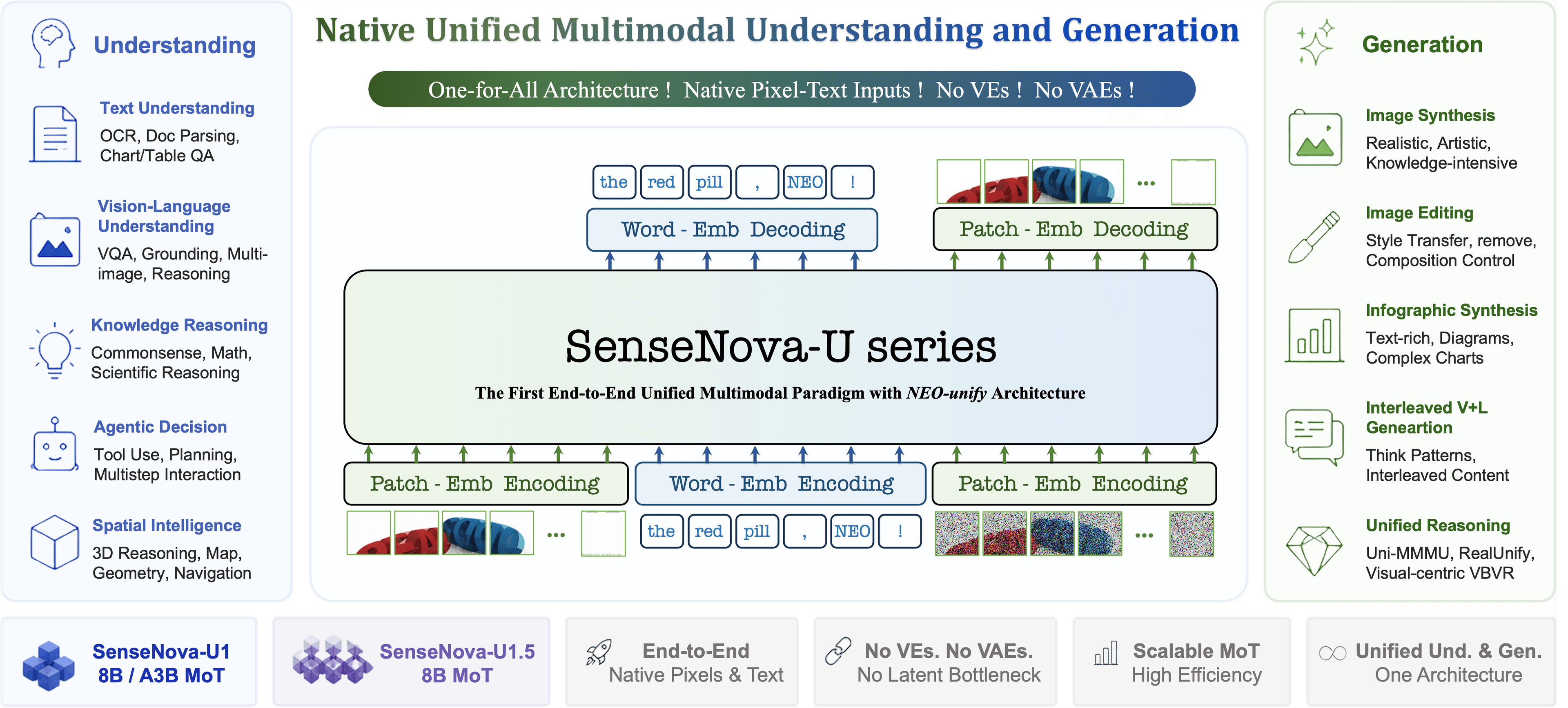
SenseTime Releases SenseNova U1.5 8B Any-to-Any Model
The new 8B multimodal model handles text, images, and image editing within a single native architecture.
0 comments
No comments yet. Be the first to weigh in.