TeleOCR brings bilingual document parsing to Qwen2.5-VL
A new vision-language model targets Chinese and English OCR and structured document extraction, released openly on Hugging Face.
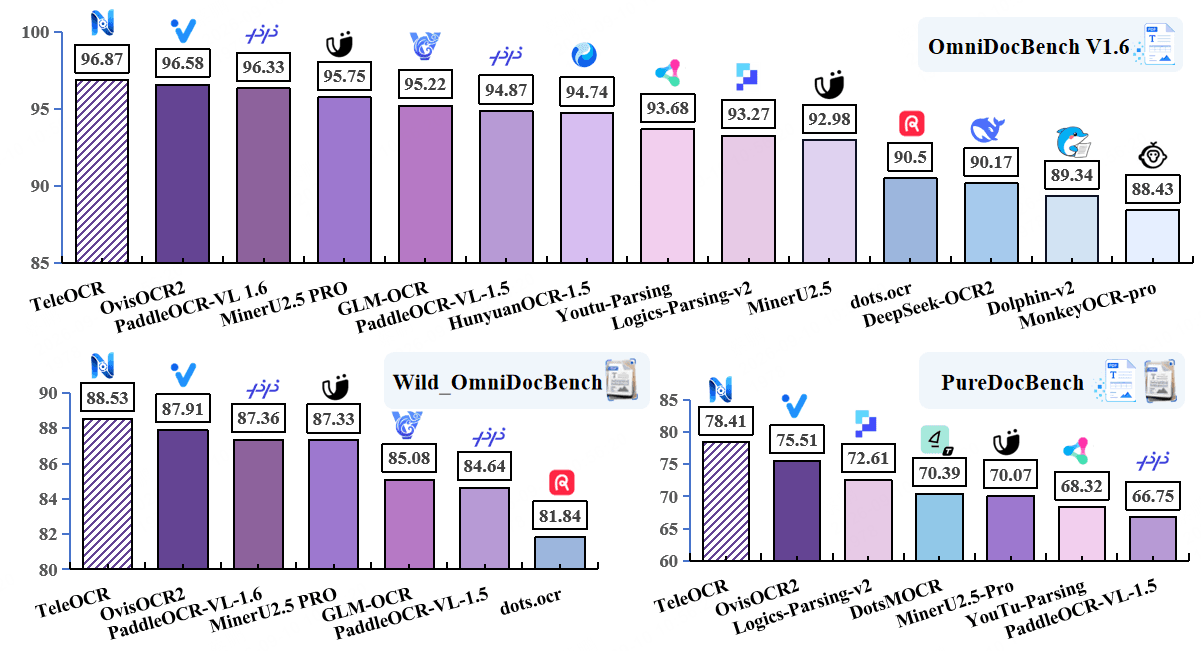
TeleOCR, a new vision-language model focused on optical character recognition and document parsing, has arrived on Hugging Face. Built on top of Alibaba's Qwen2.5-VL foundation, it targets both Chinese and English text, positioning itself for the messy reality of real-world documents rather than clean, single-language scans.
Document understanding has become one of the more practical proving grounds for open vision-language models. Beyond simply reading characters, the task increasingly means preserving layout, tables, and reading order so that downstream systems can turn a scanned page into usable structured data. TeleOCR is pitched at exactly this class of work.
Why it matters
Bilingual OCR is harder than it looks. Chinese-English mixed documents — invoices, forms, reports, and contracts — routinely trip up models tuned for a single script. By fine-tuning a capable general VLM like Qwen2.5-VL for this purpose, TeleOCR aims to give developers an open alternative to closed OCR APIs.
A few things to keep in mind about this first release:
- It is an initial version (v1) built on the Qwen2.5-VL base.
- The license is listed as "other," so teams should review terms before commercial use.
- Parameter count, context length, and benchmark figures were not specified in the release record.
As with any early open release, the real test will be how TeleOCR performs against established OCR pipelines on complex layouts. For now, the model is available to download and evaluate directly from its Hugging Face repository.
Sources
- Visit
XingChen-AGI/TeleOCR
Hugging Face
More from XingChen AGI
All XingChen AGI releases →
Xing4.0 arrives as a 29B MoE with 4B active params
inclusionAI's new text model uses a mixture-of-experts design to keep compute low while shipping under an Apache-2.0 license.
More in Vision-Language
All Vision-Language →
SenseTime Releases Looped 9B Multimodal Model
The company's new SenseNova-Loop-9B pairs vision-language capabilities with a recurrent looped-transformer design.
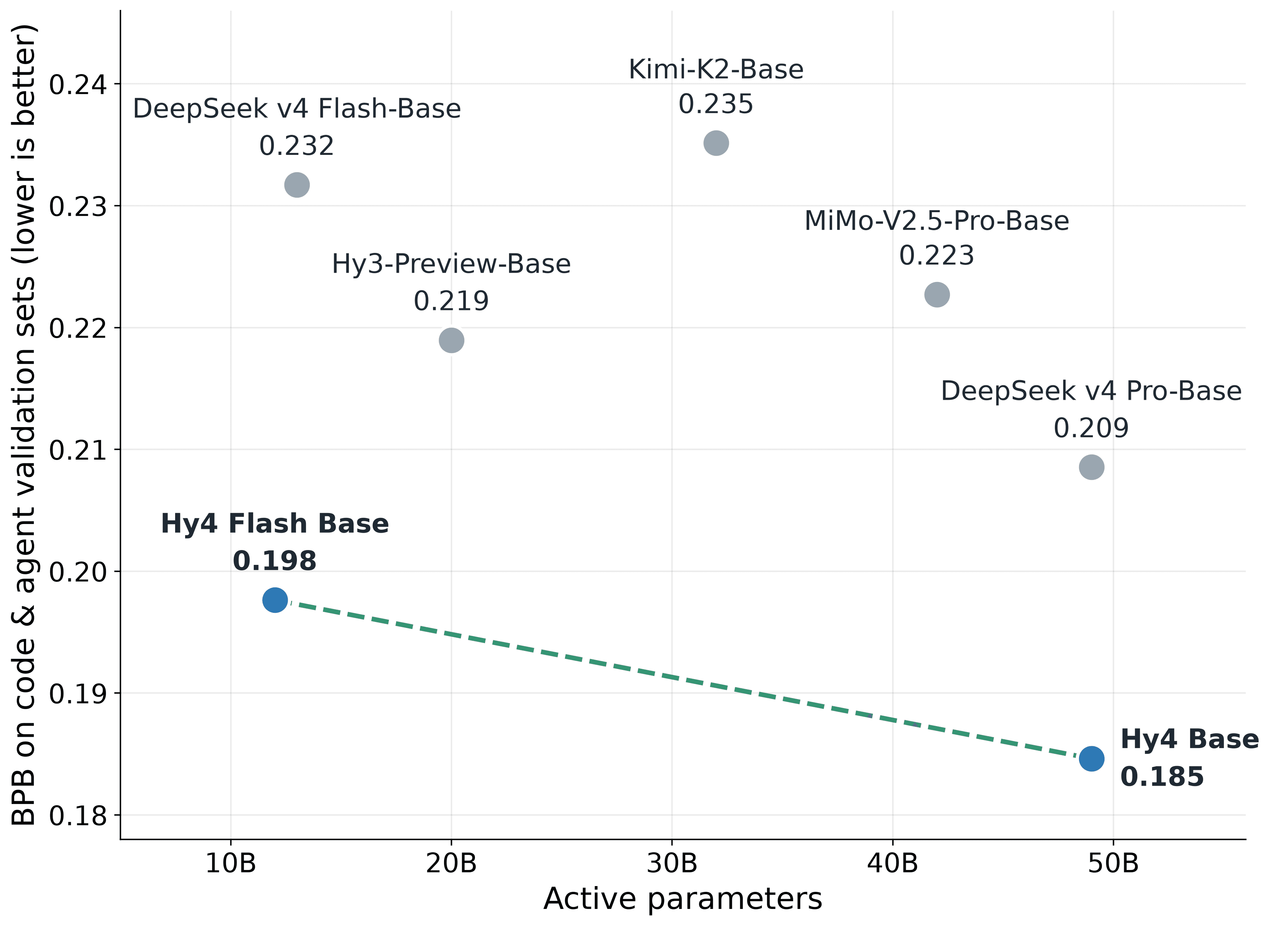
Tencent releases Hunyuan Hy4-flash multimodal MoE
The lightweight, mixture-of-experts model adds vision and text instruction-following to Tencent's open Hunyuan lineup.
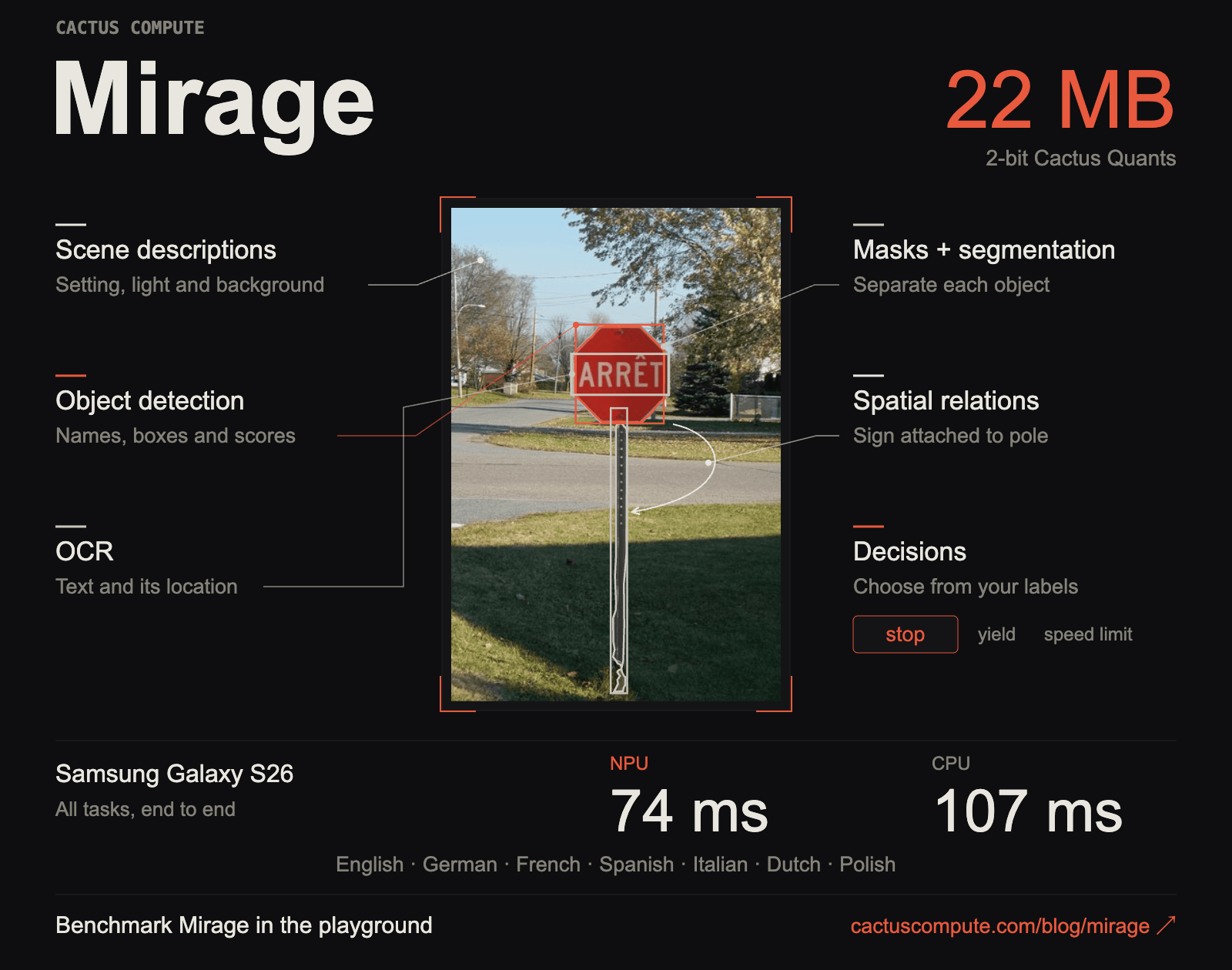
Cactus Compute's Mirage brings vision tasks on-device
The new open vision-language model targets detection, segmentation, and visual Q&A without relying on the cloud.
0 comments
No comments yet. Be the first to weigh in.