NVIDIA Releases PiD for High-Quality Image Upscaling
The new component is a specialized VAE decoder that works with Stability AI's Z-Image model to enhance super-resolution tasks.
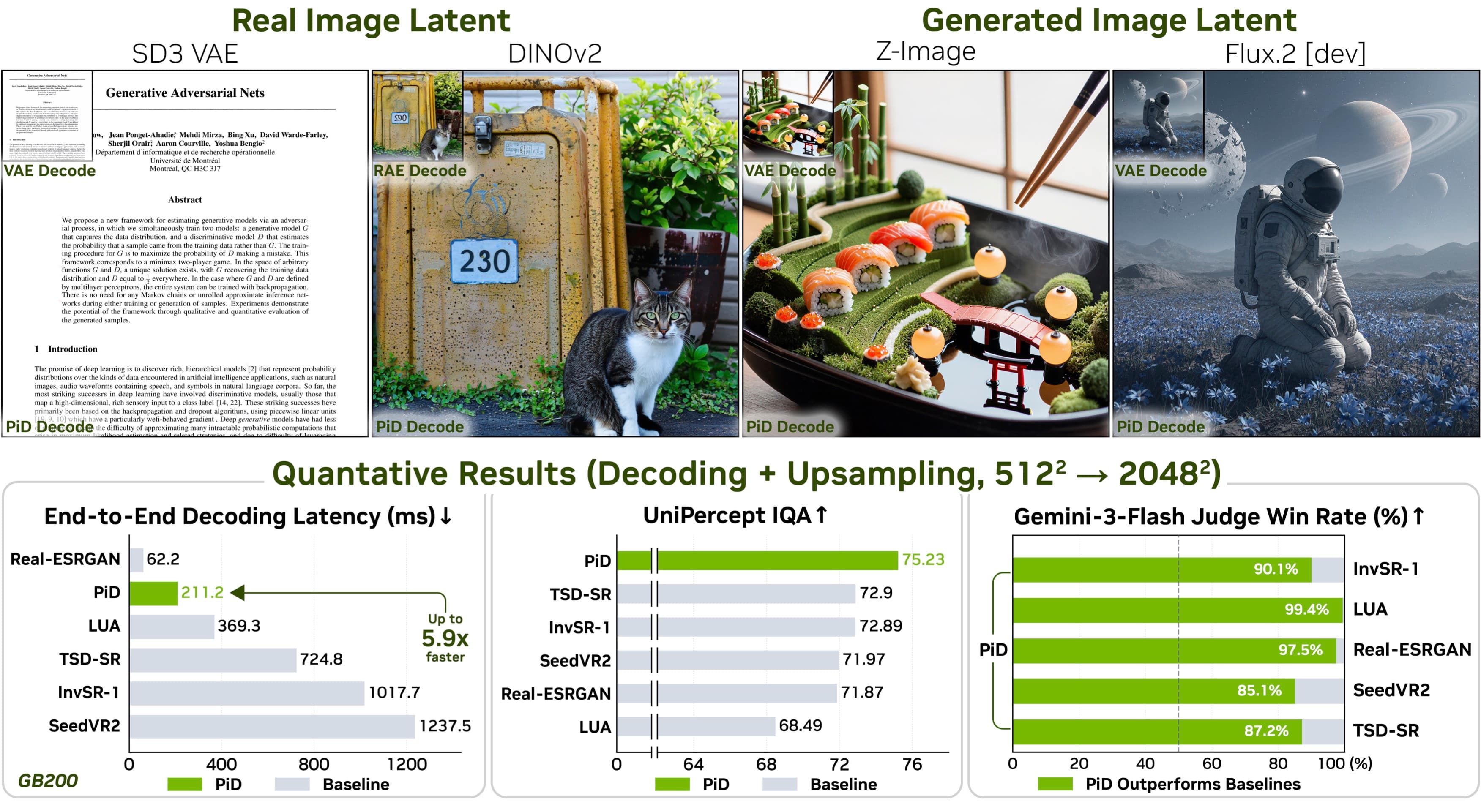
NVIDIA has released a new, specialized component for generative AI workflows called PiD, or Pixel Diffusion Decoder. Rather than a full text-to-image model, PiD is a focused tool designed to improve one specific but crucial step in the image generation process: decoding and upscaling.
At its core, PiD is a Variational Autoencoder (VAE) decoder. It takes a compressed latent representation of an image and reconstructs it into a full-resolution picture. The model uses a pixel-diffusion technique, which can produce highly detailed and sharp results, making it particularly well-suited for super-resolution tasks where image quality is paramount.
Notably, this decoder is not a standalone system. It was specifically built to work with stabilityai/z-image-base-1b, a base model from Stability AI. This highlights a trend toward more modular, interoperable tools in the open-source ecosystem, where components from different research labs can be combined.
For developers and researchers, PiD offers a new building block for their image generation pipelines. By swapping in this specialized decoder, they may be able to achieve higher-fidelity outputs when upscaling images to larger sizes. NVIDIA released the model files on Hugging Face for developers to begin experimenting with the component.
Sources
- Visit
nvidia/PiD
Hugging Face
More in Image Editing
LLaDA-Image: A Fully Open 6B Image Generator
inclusionAI pairs a diffusion transformer with a frozen vision-language model and publishes the entire training recipe.
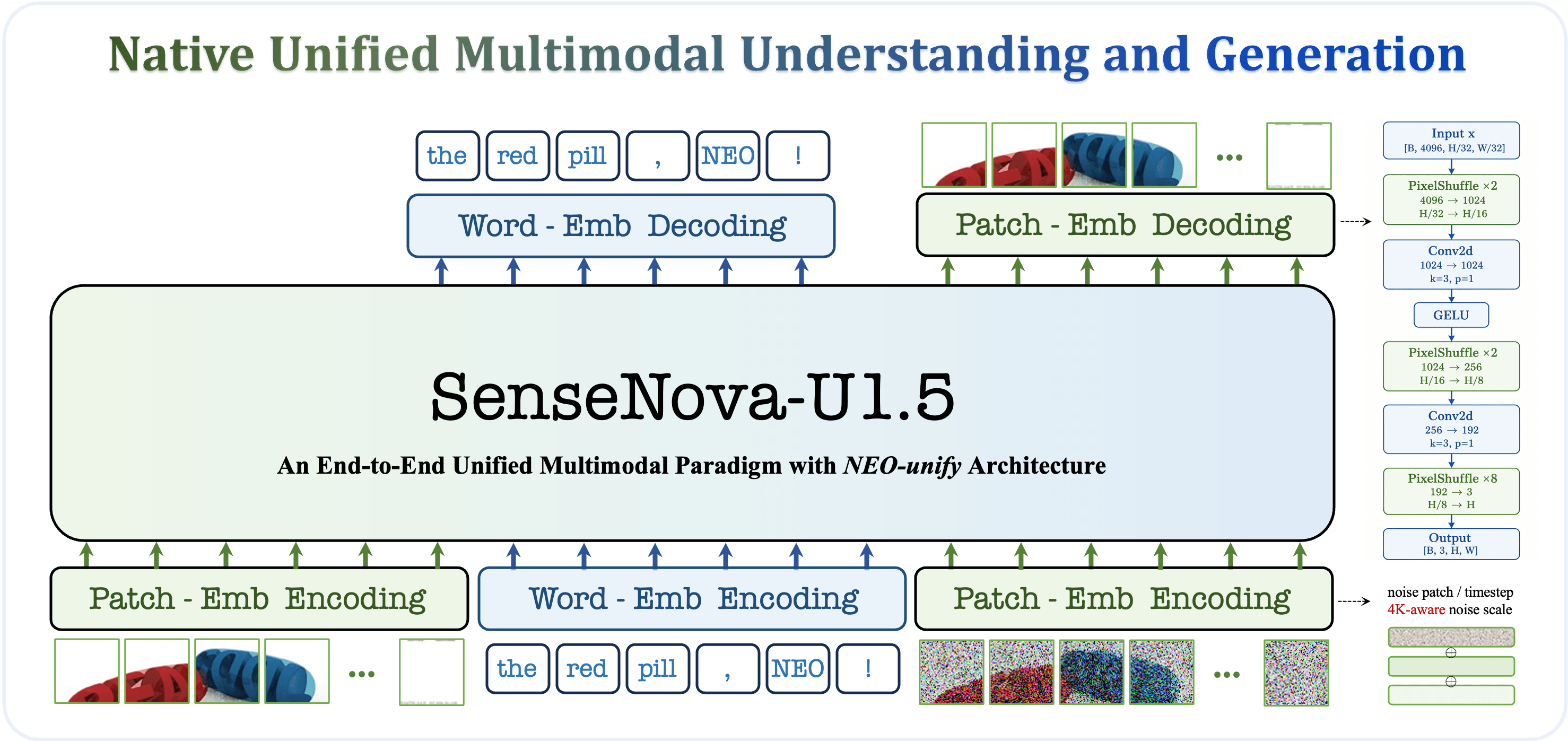
SenseTime Debuts SenseNova U1.5 8B Multimodal Preview
An 8B any-to-any model that reads, generates, and edits images at up to 4K resolution, released as an early preview.

Microsoft's Mage-Flow packs image editing into 4B
A compact model handles both text-to-image generation and instruction-based edits at native resolution, under a permissive MIT license.
0 comments
No comments yet. Be the first to weigh in.