Tencent's Moebius packs inpainting into 0.2B params
A lightweight image-editing framework claims results rivaling 10B-scale models, and it's already running in the browser.
Tencent has released Moebius, an image inpainting framework that fits in roughly 0.2 billion parameters yet claims output quality approaching models more than an order of magnitude larger. For a task that usually leans on heavy diffusion backbones, that is an unusual bet on efficiency over raw scale.
Inpainting—filling in or replacing parts of an image so the result looks seamless—is one of the more practical corners of generative imaging, used for object removal, retouching, and background edits. The project page (hustvl.github.io/Moebius) positions the model as a compact alternative to the 10B-class systems that dominate the category.
Why it matters
A model this small changes where the work can happen. Developer Simon Willison ported Moebius to run directly in the browser with the help of Claude Code, demonstrating that the framework is light enough for client-side inference rather than a GPU server.
That has real consequences:
- Privacy: images never leave the user's device.
- Cost: no inference servers to provision or scale.
- Latency: edits run locally without a network round trip.
The release is offered under a non-standard license, so teams will want to check the terms before building on it. But as a proof point, Moebius suggests there is still meaningful headroom for shrinking specialized image models without giving up much in quality.
Sources
More in Image Editing
LLaDA-Image: A Fully Open 6B Image Generator
inclusionAI pairs a diffusion transformer with a frozen vision-language model and publishes the entire training recipe.
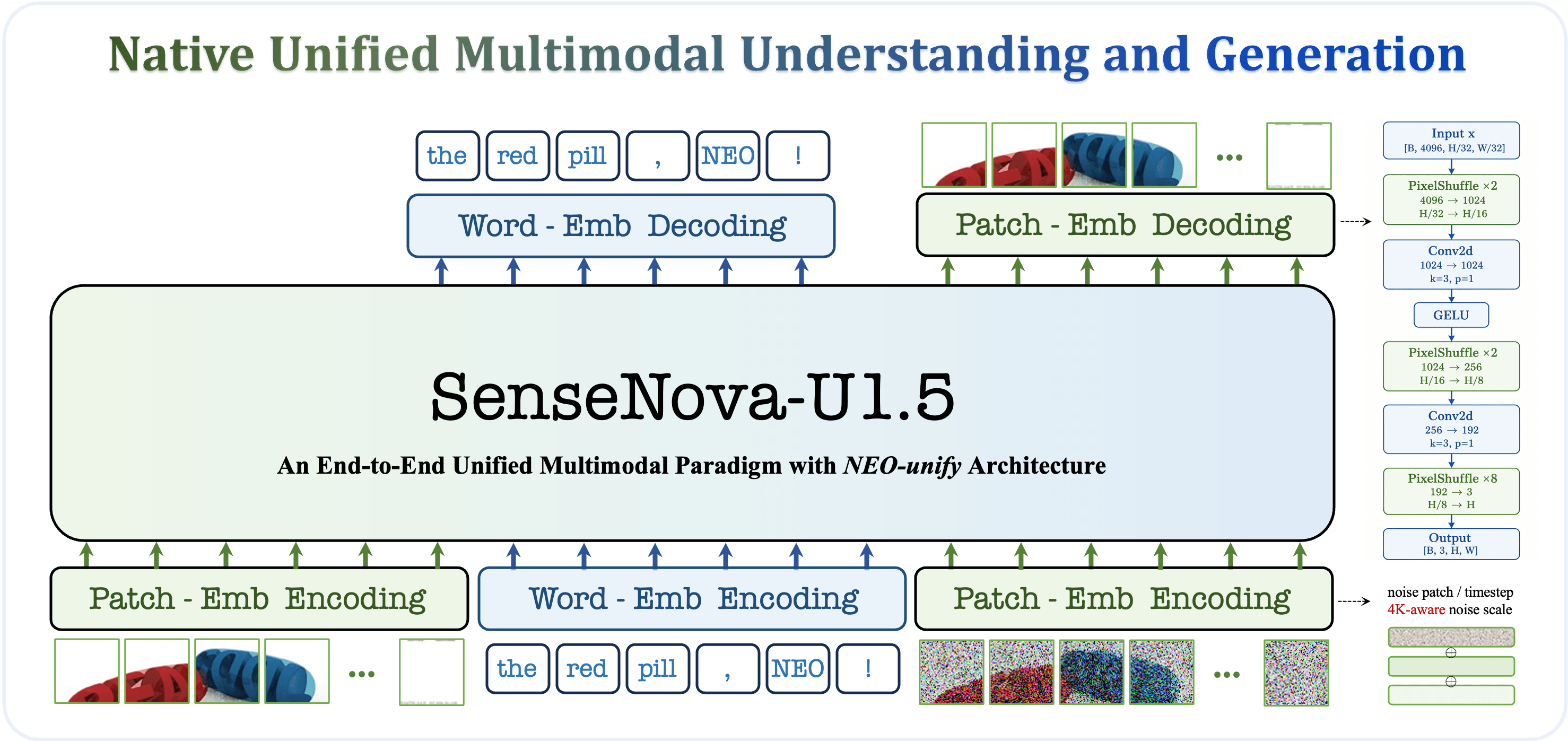
SenseTime Debuts SenseNova U1.5 8B Multimodal Preview
An 8B any-to-any model that reads, generates, and edits images at up to 4K resolution, released as an early preview.

Microsoft's Mage-Flow packs image editing into 4B
A compact model handles both text-to-image generation and instruction-based edits at native resolution, under a permissive MIT license.
0 comments
No comments yet. Be the first to weigh in.