Liquid AI's LFM2.5-VL-DSpark targets faster VLM inference
The new vision-language model from Liquid AI is tuned for accelerated inference, extending the company's LFM2 line into multimodal territory.
Liquid AI has released LFM2.5-VL-DSpark, a vision-language model in its LFM2 family built with a clear priority: faster inference. According to the company's announcement on Hugging Face, the model is designed to accelerate multimodal workloads while keeping the practical footprint that makes on-device and edge deployment feasible.
The "VL" designation marks this as a vision-language system, capable of interpreting images alongside text. That places it among the growing set of open multimodal models aimed at tasks like document understanding, visual question answering, and image-grounded reasoning — increasingly the baseline expectation for a modern general-purpose assistant.
Why it matters
Inference speed is often the deciding factor for whether a capable model actually gets used in production. A vision-language model that runs efficiently opens up scenarios that heavier alternatives struggle with:
- Real-time or interactive multimodal applications
- Deployment closer to the edge, where compute is constrained
- Lower per-query cost at scale
Liquid AI has built its reputation on efficiency-first architectures, and DSpark continues that thread by folding vision into the LFM2.5 generation. For developers weighing open multimodal options, the pitch is straightforward: comparable capability with less latency. The full technical details are available in the Hugging Face writeup.
Sources
- Visit
Accelerating vision-language models with LFM2.5-VL-DSpark
Announcement
More from Unknown
All Unknown releases →Kandinsky 6.0 Generates Video and Audio Together
Kandinsky Lab's new foundation models produce synchronized sound and motion from a text prompt, in 3B and 29B sizes.
Nari Labs Ships Qwen3-Based TTS and ASR Models
The startup pairs speech synthesis and recognition built on Qwen3, pitching accuracy, low latency, and lower cost.
ZGCM-1 arrives as a fully open 7B reasoning model
A compact foundation model targets math reasoning and agentic search with tool use, and its makers are releasing it fully open.
More in Vision-Language
All Vision-Language →
SenseTime Releases Looped 9B Multimodal Model
The company's new SenseNova-Loop-9B pairs vision-language capabilities with a recurrent looped-transformer design.
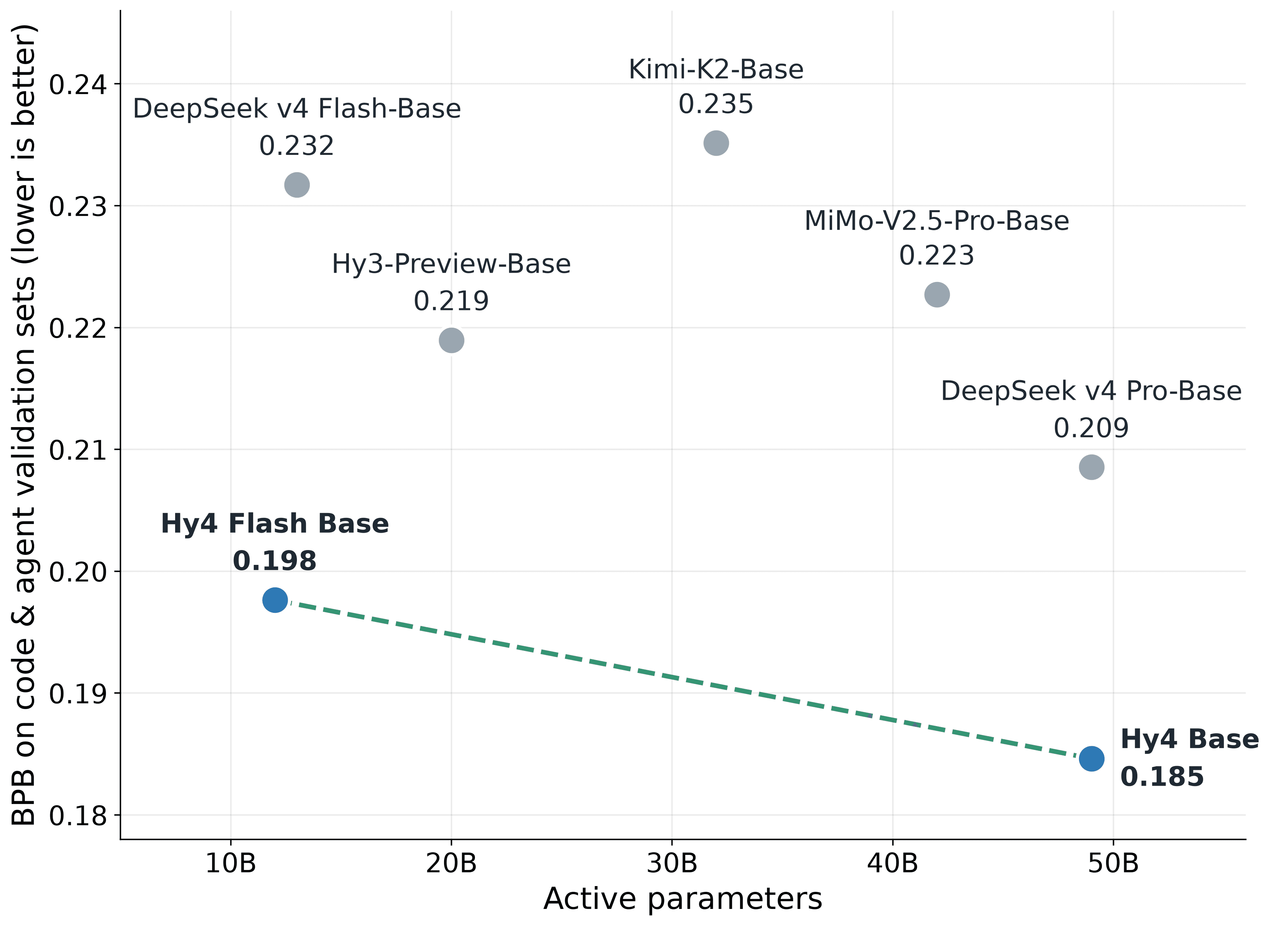
Tencent releases Hunyuan Hy4-flash multimodal MoE
The lightweight, mixture-of-experts model adds vision and text instruction-following to Tencent's open Hunyuan lineup.
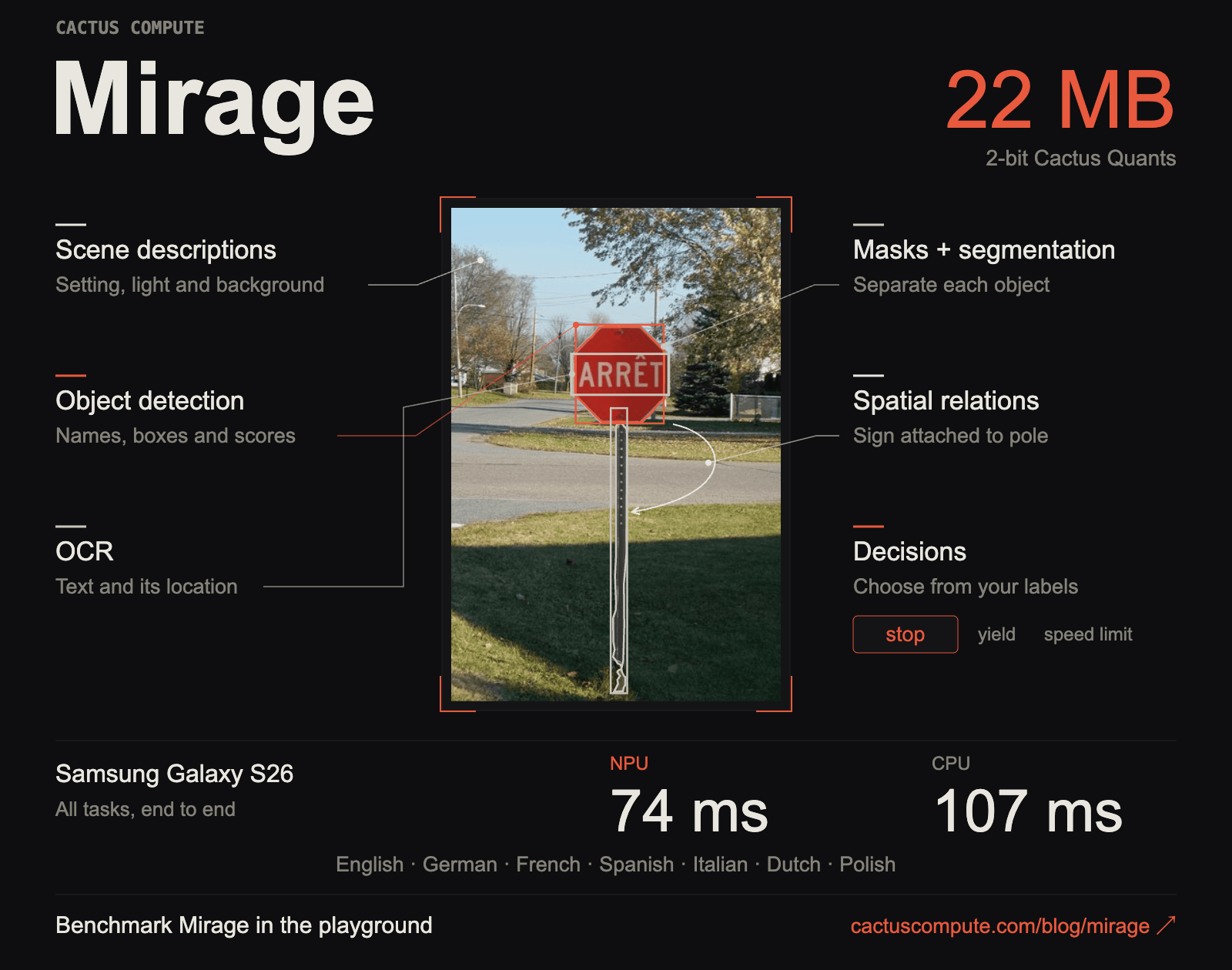
Cactus Compute's Mirage brings vision tasks on-device
The new open vision-language model targets detection, segmentation, and visual Q&A without relying on the cloud.
0 comments
No comments yet. Be the first to weigh in.