H Company's Holo4 Takes On Computer-Use Agents
The French startup's new vision-language model is built to see and operate software the way a person would.
H Company has introduced Holo4, a vision-language model aimed squarely at one of the most active frontiers in AI: agents that can actually operate a computer. Rather than simply describing an image, Holo4 is positioned to interpret on-screen interfaces and drive the kind of multi-step actions that "computer-use" agents require.
The model is described as a generalist foundation for such agents, meaning it is meant to handle a broad range of applications and workflows rather than a single scripted task. That framing puts Holo4 in the same conversation as recent efforts from larger labs to build models that can click, type, and navigate graphical interfaces on a user's behalf.
Why it matters
Computer-use agents are a demanding test of multimodal reasoning. A model has to read a screen, understand layout and context, and then translate intent into precise interactions. Progress here is a prerequisite for assistants that can complete real office and web tasks end to end.
- Holo4 is a vision-language model, pairing visual understanding with language-driven control.
- It targets generalist computer-use, not a narrow single-purpose automation.
- It continues H Company's push into agentic AI from Europe's startup scene.
Details on parameter count, context length, and licensing terms remain limited in the initial announcement, and H Company lists the release under an "other" license rather than a standard open permit. For now, the company's post frames Holo4 as the engine behind its agent ambitions, with benchmarks and deployment specifics the next thing worth watching.
Sources
- Visit
Holo4: powering generalist computer-use agents
Announcement
More from H company
All H company releases →H Company's NeoMME rethinks visual document retrieval
A single-tower multimodal encoder aims to make multilingual document search cheaper to fine-tune and run.
More in Vision-Language
All Vision-Language →
SenseTime Releases Looped 9B Multimodal Model
The company's new SenseNova-Loop-9B pairs vision-language capabilities with a recurrent looped-transformer design.
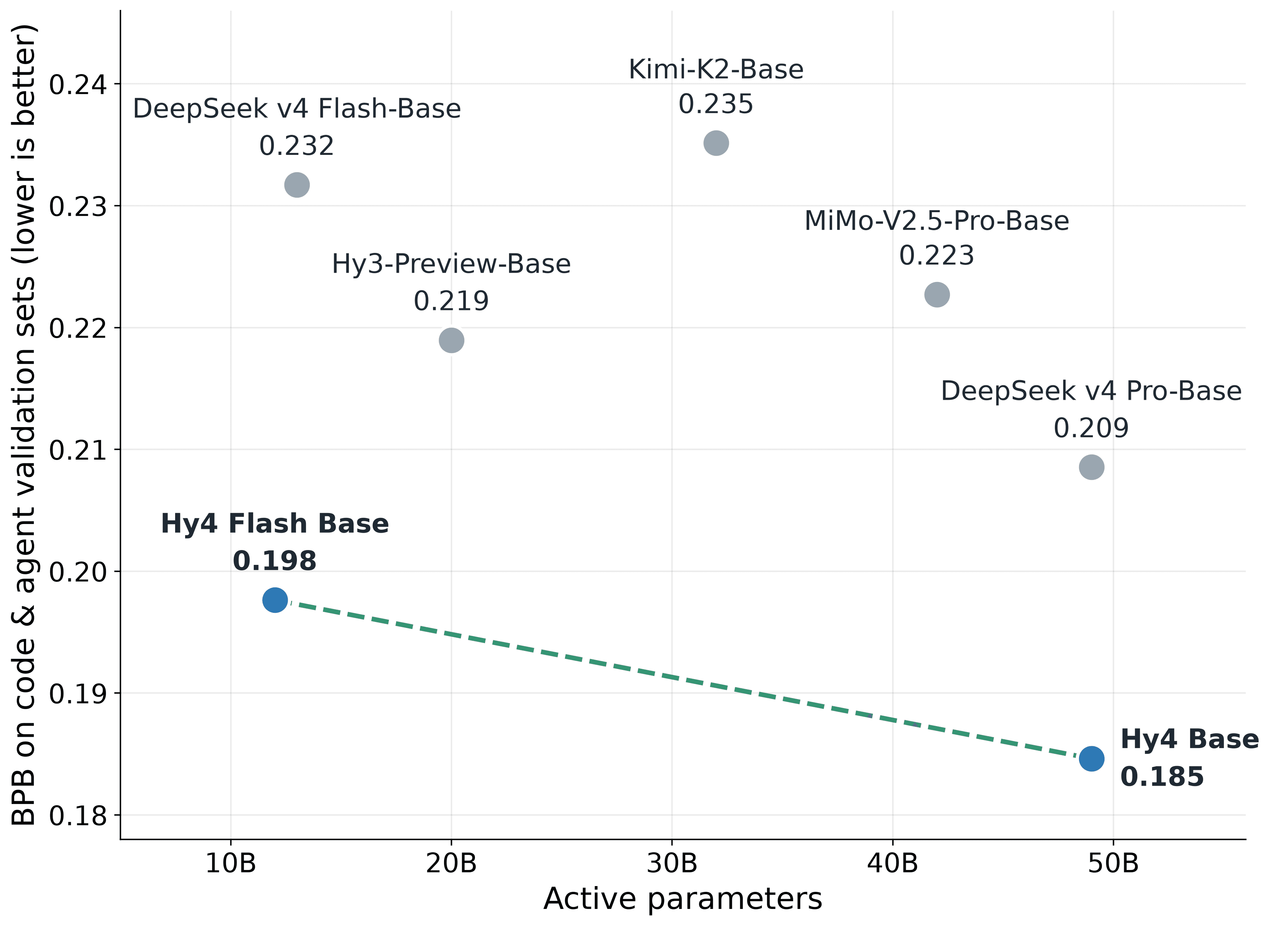
Tencent releases Hunyuan Hy4-flash multimodal MoE
The lightweight, mixture-of-experts model adds vision and text instruction-following to Tencent's open Hunyuan lineup.
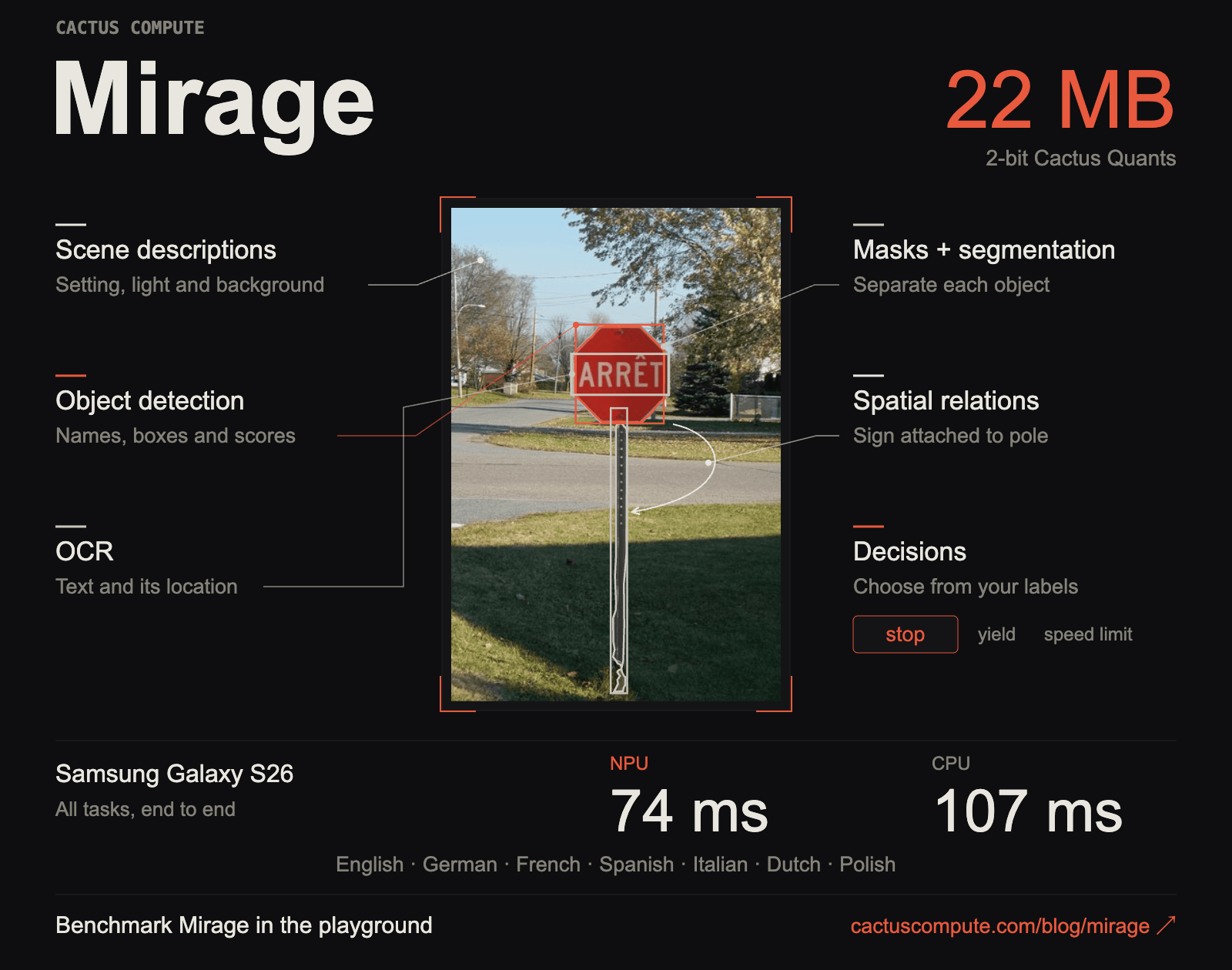
Cactus Compute's Mirage brings vision tasks on-device
The new open vision-language model targets detection, segmentation, and visual Q&A without relying on the cloud.
0 comments
No comments yet. Be the first to weigh in.