Zhipu AI Releases Compact Bilingual Speech Model
The new GLM-ASR-Nano model is designed for efficient automatic speech recognition in both English and Mandarin Chinese.
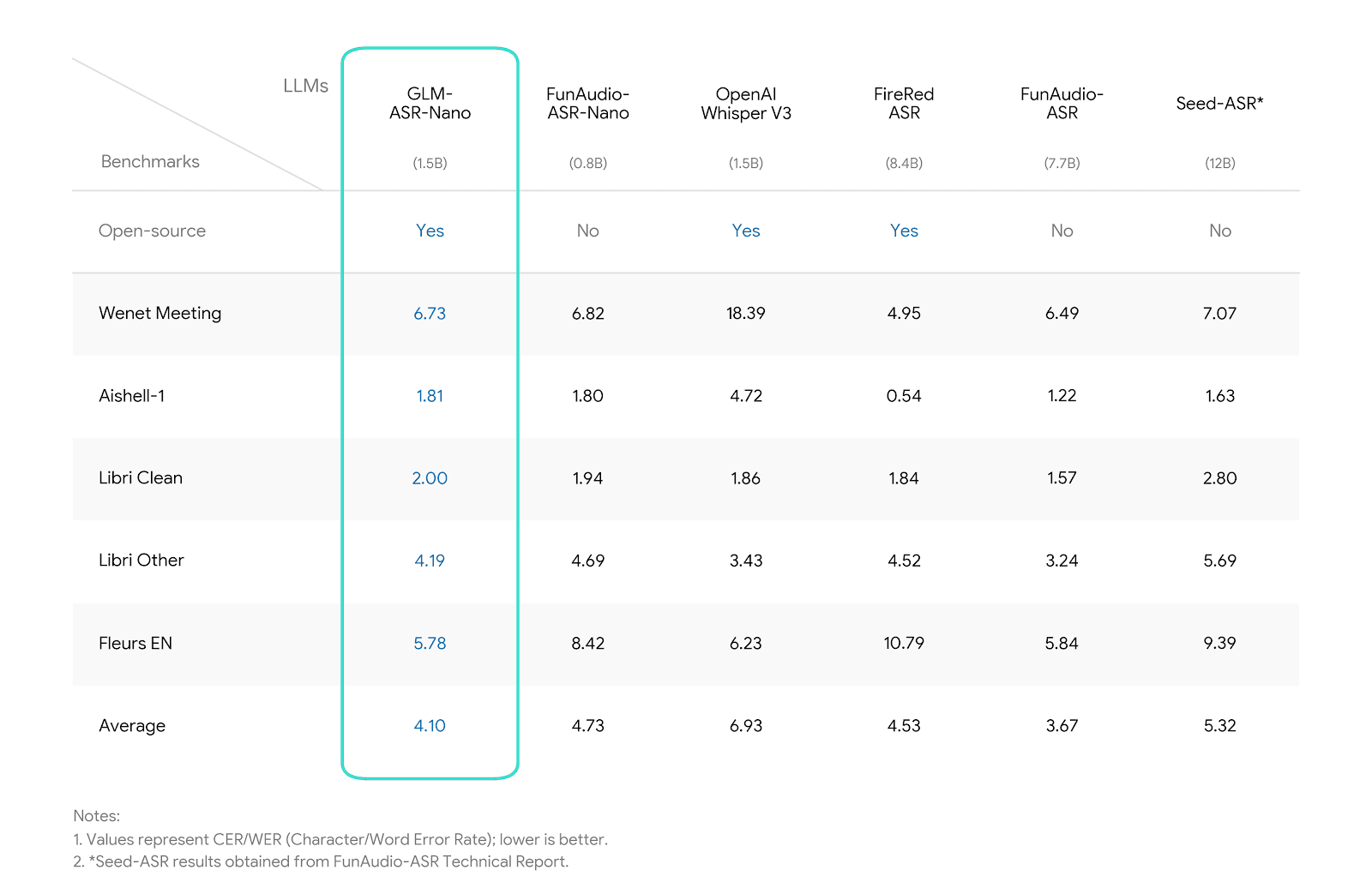
Zhipu AI, a major contributor to the open-source LLM space with its GLM series, has expanded into a new modality with the release of GLM-ASR-Nano-2512. The new model is purpose-built for automatic speech recognition (ASR), or converting spoken language into written text.
The model's key feature is its compact design, making it a strong candidate for applications that require efficiency and lower computational resources, such as on-device transcription. This approach provides an alternative to larger, cloud-dependent models, offering developers more flexibility for privacy-conscious or offline use cases.
Key Features
- Bilingual: The model is designed to handle both English and Mandarin Chinese, two of the world's most widely spoken languages.
- Compact Size: As a "Nano" model with under one billion parameters, it prioritizes performance on consumer-grade hardware.
- Permissive License: Its release under the MIT license allows for broad adoption, including in commercial products, without significant restrictions.
This release signals Zhipu AI's ambition to build a broader ecosystem of models beyond text generation. By providing a permissively licensed, bilingual ASR tool, the company is offering a valuable building block for developers and competing in a space largely defined by models like OpenAI's Whisper. You can find the model and usage instructions on its Hugging Face repository.
Sources
- Visit
zai-org/GLM-ASR-Nano-2512
Hugging Face
More in Speech → Text
StepFun's StepAudio 3 Realtime targets live voice AI
The audio-language foundation model builds a listen-converse-think-act loop aimed at natural, low-latency spoken interaction.
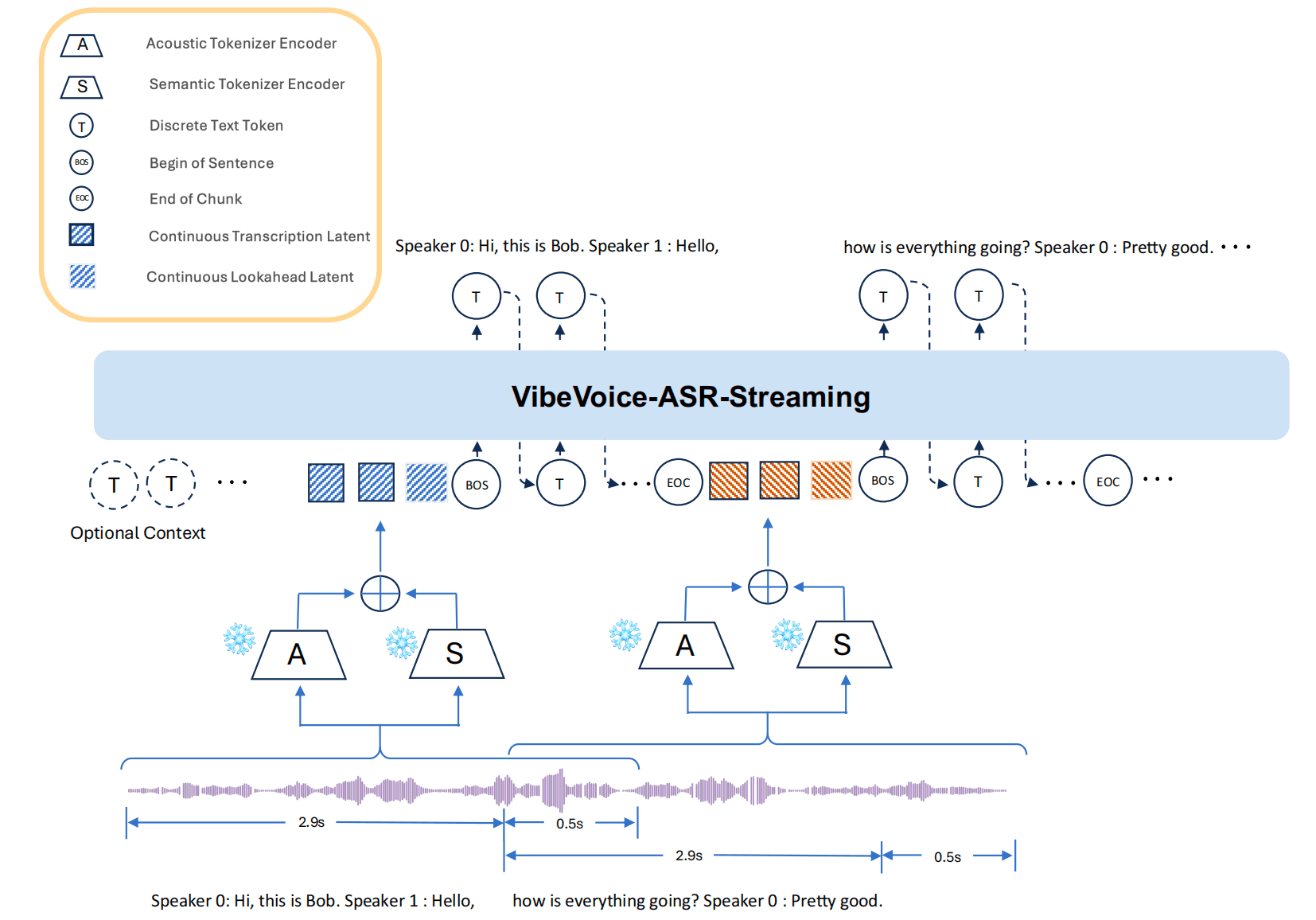
Microsoft's VibeVoice ASR brings streaming speech-to-text
A 7-billion-parameter model targets real-time, multilingual transcription with an open release on Hugging Face.

Superwhisper's s1-mini polishes raw speech-to-text output
A compact Qwen3-based model tackles the unglamorous cleanup work that makes transcripts readable.
0 comments
No comments yet. Be the first to weigh in.