Fastino's GLiNER2.5-Decide targets lean NLP tasks
A sub-1B model bundling entity extraction, intent, sentiment and topic classification arrives on Hugging Face.
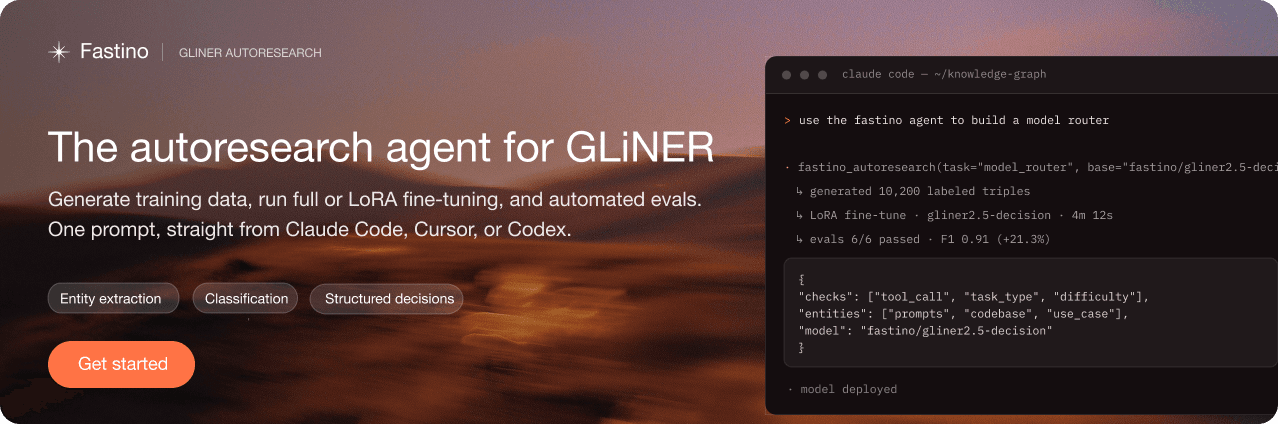
Fastino has released GLiNER2.5-Decide, a compact text model built for a cluster of everyday natural-language tasks: named-entity recognition, intent detection, sentiment analysis and topic classification. It continues the GLiNER lineage, which has become a popular choice for lightweight, flexible extraction work.
The model falls into the sub-1-billion-parameter bracket, positioning it as an efficient option for teams that need dependable structured outputs without the cost and latency of a large language model. That size makes it a candidate for on-device or high-throughput pipelines where every millisecond and dollar counts.
Why it matters
Much production NLP still comes down to a handful of recurring jobs — pulling entities out of text, routing user requests by intent, or tagging content by topic and tone. A single small model that handles several of these can simplify deployment considerably.
- Combines NER with intent, sentiment and topic classification
- Sits under 1B parameters for efficient inference
- Distributed openly through Hugging Face
The release is listed under a non-standard "other" license, so teams should review the terms on the model page before adopting it. Fastino has not published detailed benchmark figures alongside the listing, leaving hands-on evaluation as the next step for anyone considering it.
Sources
- Visit
fastino/GLiNER2.5-Decide
Hugging Face
More in Text / LLM

Xiaomi distills MiMo V2.6 into a 9B model
The new MiMo-V2.6-Distill-Qwen-9B targets agentic workloads, coding, and tool use in a size that fits on modest hardware.
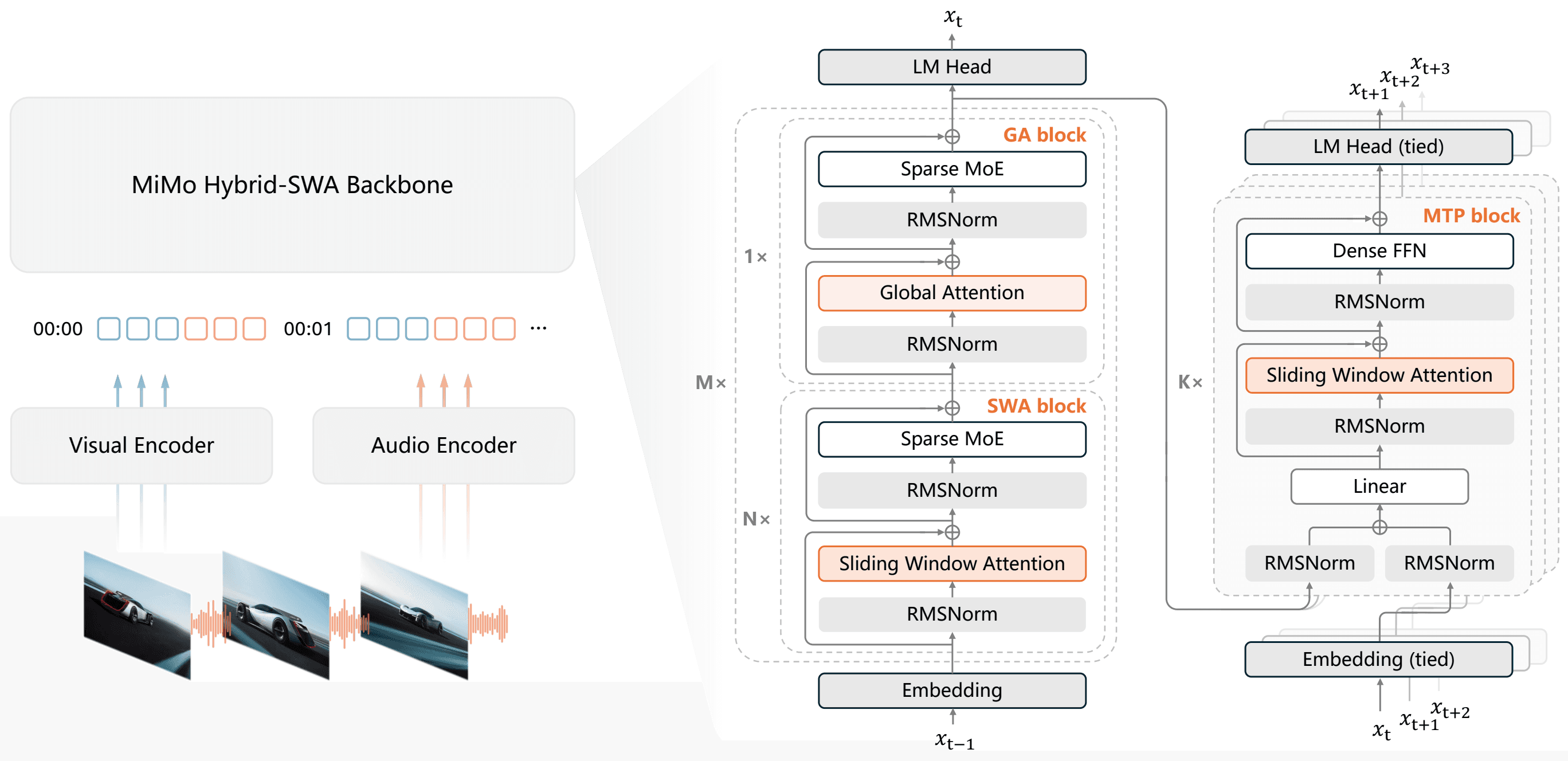
Xiaomi's MiMo V2.6-Pro-RL Targets Agentic Multimodal Work
An RL-tuned model that reads images, audio, and video while handling long context, aimed at agentic tasks.
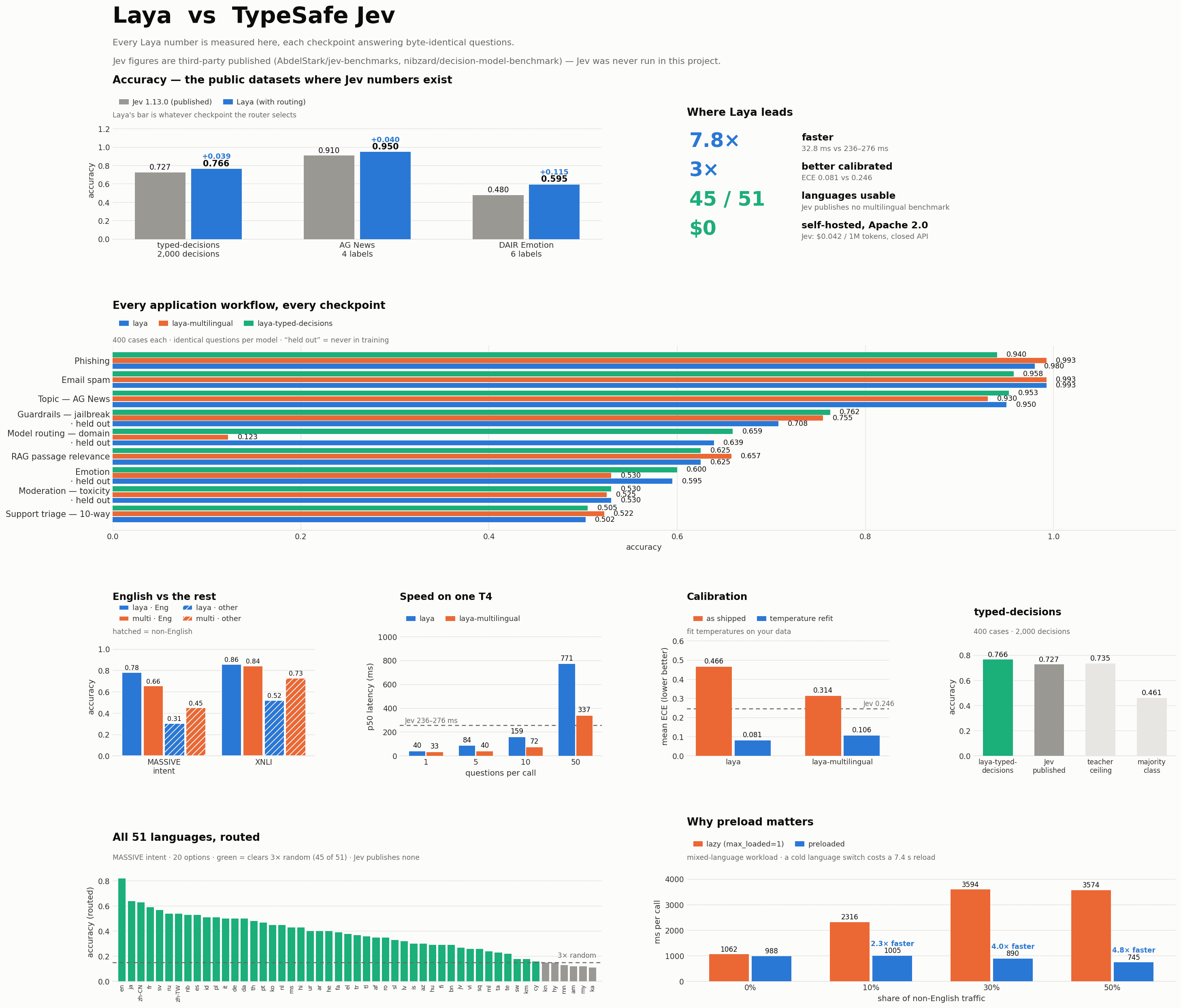
Convai's Laya targets fast AI decisions and guardrails
A new "System-One" model from Convai Innovations focuses on routing, scoring and safety checks rather than open-ended generation.
0 comments
No comments yet. Be the first to weigh in.