inclusionAI releases Ling-3.1-flash, an MIT MoE model
The new text model pairs a hybrid mixture-of-experts design with FP8 weights under a permissive license.
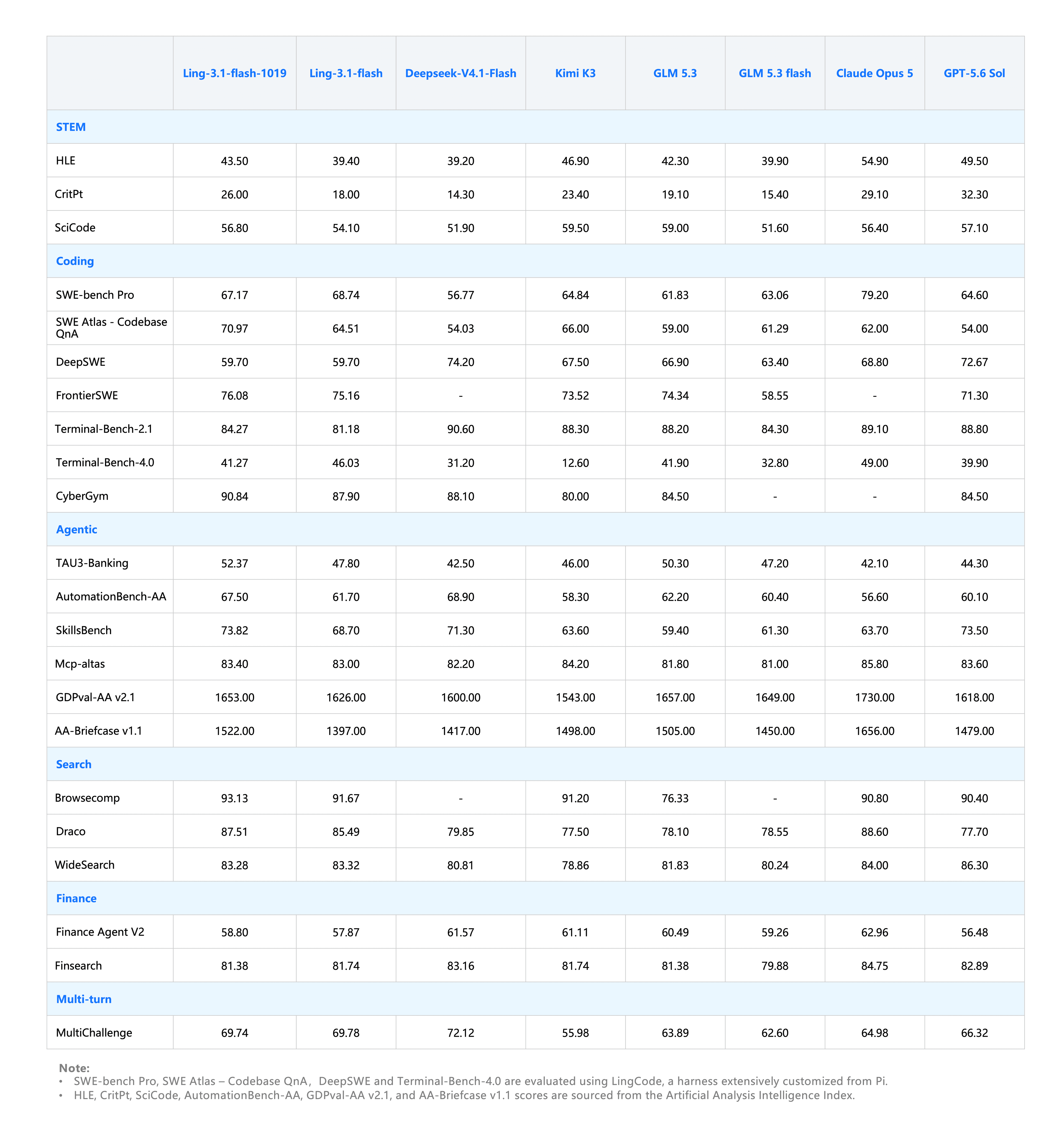
inclusionAI has published Ling-3.1-flash-1019, a text-generation language model now available on Hugging Face. The release arrives under the permissive MIT license and is built on a hybrid mixture-of-experts (MoE) architecture, with weights distributed in the FP8 format.
The "flash" label positions this as a speed-oriented member of the Ling line. MoE designs activate only a subset of their parameters for any given token, which lets a model carry a large total capacity while keeping per-query compute lower than a comparable dense network. Pairing that with FP8 weights further trims the memory footprint, a combination aimed at teams that want to self-host without the overhead of a full-precision checkpoint.
Why it matters
Permissive licensing remains one of the biggest practical differentiators in open-weights AI, and the MIT terms here give developers room to adapt and deploy the model commercially. Key points from the release:
- Hybrid mixture-of-experts architecture for efficient inference
- FP8 weights to reduce memory requirements
- MIT license with few usage restrictions
inclusionAI has not published parameter counts, context length, or benchmark figures alongside this initial listing, so prospective users will want to validate performance against their own workloads. As the first entry in the Ling-3.1-flash family, it establishes a baseline the company can iterate on; the model card on Hugging Face is the authoritative place to track specs and any updates.
Sources
- Visit
inclusionAI/Ling-3.1-flash-1019
Hugging Face
More from inclusionAI
All inclusionAI releases →
inclusionAI releases Ling-3.1-flash under MIT license
A new hybrid mixture-of-experts text model arrives on Hugging Face with permissive licensing and a focus on fast inference.
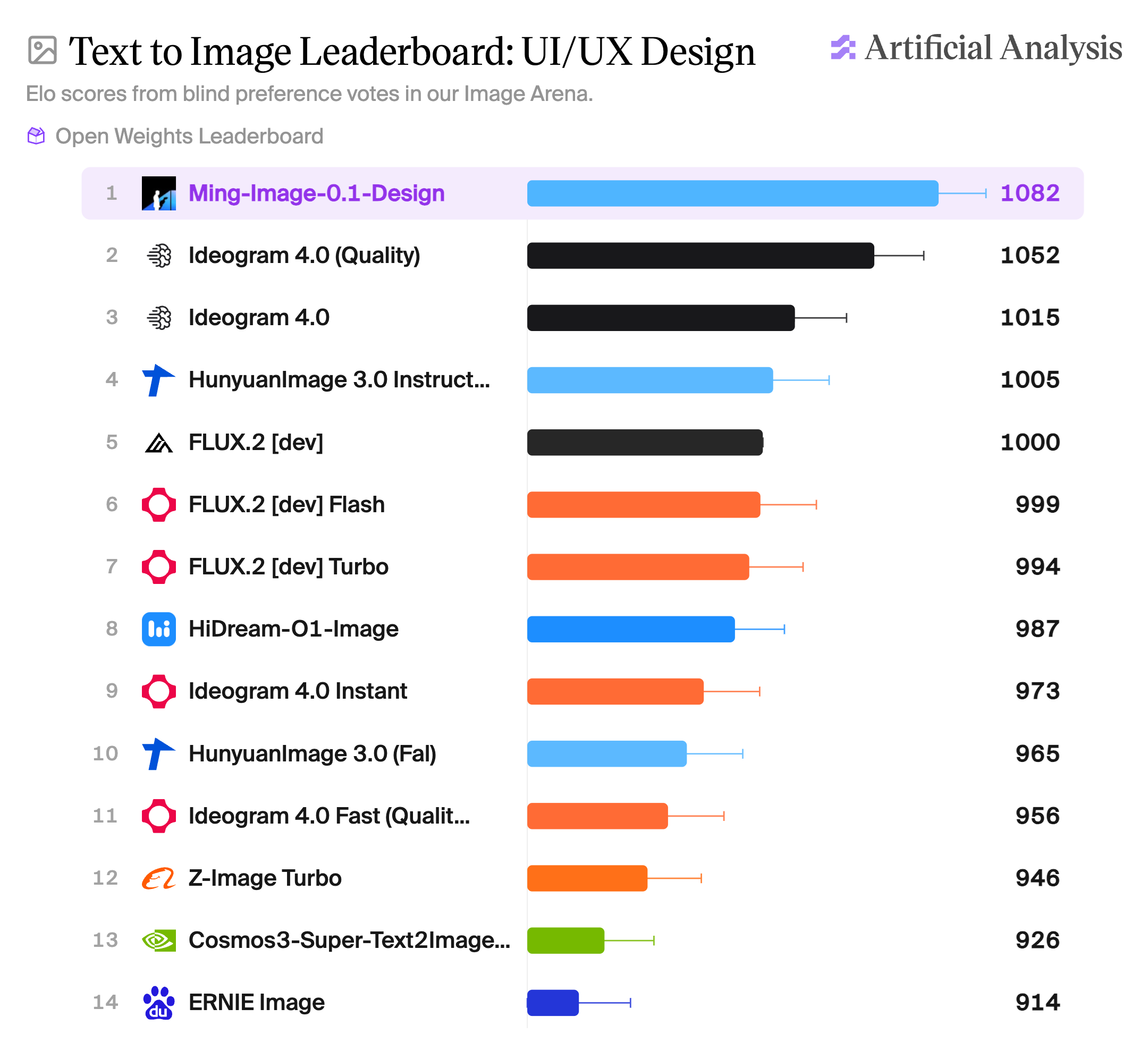
inclusionAI's Ming-Image targets graphic design
A new MIT-licensed text-to-image model leans into legible text rendering and transparent RGBA output for design work.
LLaDA-UI Brings Diffusion Decoding to GUI Agents
inclusionAI's 16.7B MoE vision-language model uses block-wise diffusion to drive graphical interface tasks.
More in Text / LLM
All Text / LLM →IBM's Granite Switch Treats Models Like Software
A new Apache-2.0 release reframes enterprise LLMs as components you can swap and update in place.
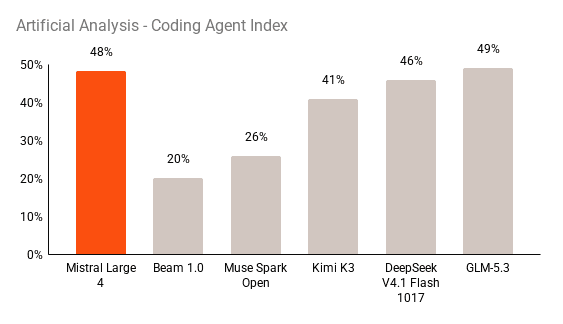
Mistral Large 4 Arrives as a 1T-Parameter MoE
The new flagship pairs a trillion total parameters with 52B active per token and adds vision alongside multilingual text.

Nanbeige 4.3 Arrives as a 33B Bilingual Model
A dense English–Chinese language model lands under Apache 2.0, aimed at teams that want permissive licensing at mid-size scale.
0 comments
No comments yet. Be the first to weigh in.