Thinking Machines ships Inkling, its first open model
The Mira Murati-founded lab makes its debut with an open-weights, reasoning-focused language model.
Thinking Machines has released Inkling, described by the lab as its first open-weights model. The launch marks the company's entry into the open model landscape, and it centers on text generation and reasoning rather than the multimodal grab-bag that has defined many recent releases.
According to the company's announcement, Inkling ships with downloadable weights, which means developers and researchers can run and fine-tune it on their own infrastructure rather than depending solely on a hosted API. The model is distributed under a custom license, so teams evaluating it for production should read the terms closely before committing.
Why it matters
Thinking Machines is one of the most closely watched new labs, and any move it makes toward openness carries weight in a field where frontier work has trended toward closed releases. An open-weights debut signals a willingness to let the broader community inspect, benchmark, and build on its work.
- Open weights: the model can be self-hosted and adapted, not just called remotely.
- Reasoning focus: it targets text and structured reasoning workloads.
- Custom license: review usage terms before deployment.
Key details such as parameter count, context window, and benchmark results were not specified in the material available at launch. Those specifics will determine how Inkling stacks up against established open models, and they are worth watching as independent evaluations emerge.
Sources
More from OpenAI
All OpenAI releases →Reflection releases Beam, a 501B open-weight model
The startup's first frontier-scale model ships with downloadable weights and a mixture-of-experts design aimed at reasoning.
Aleph Alpha launches Kolibri, a sovereign open model
The German AI firm positions its new open-weight language model as a European alternative built for data control and compliance.
H Company releases Holo4 for computer-use agents
The new vision-language model is built to drive generalist agents that operate real software interfaces.
More in Any-to-Any
All Any-to-Any →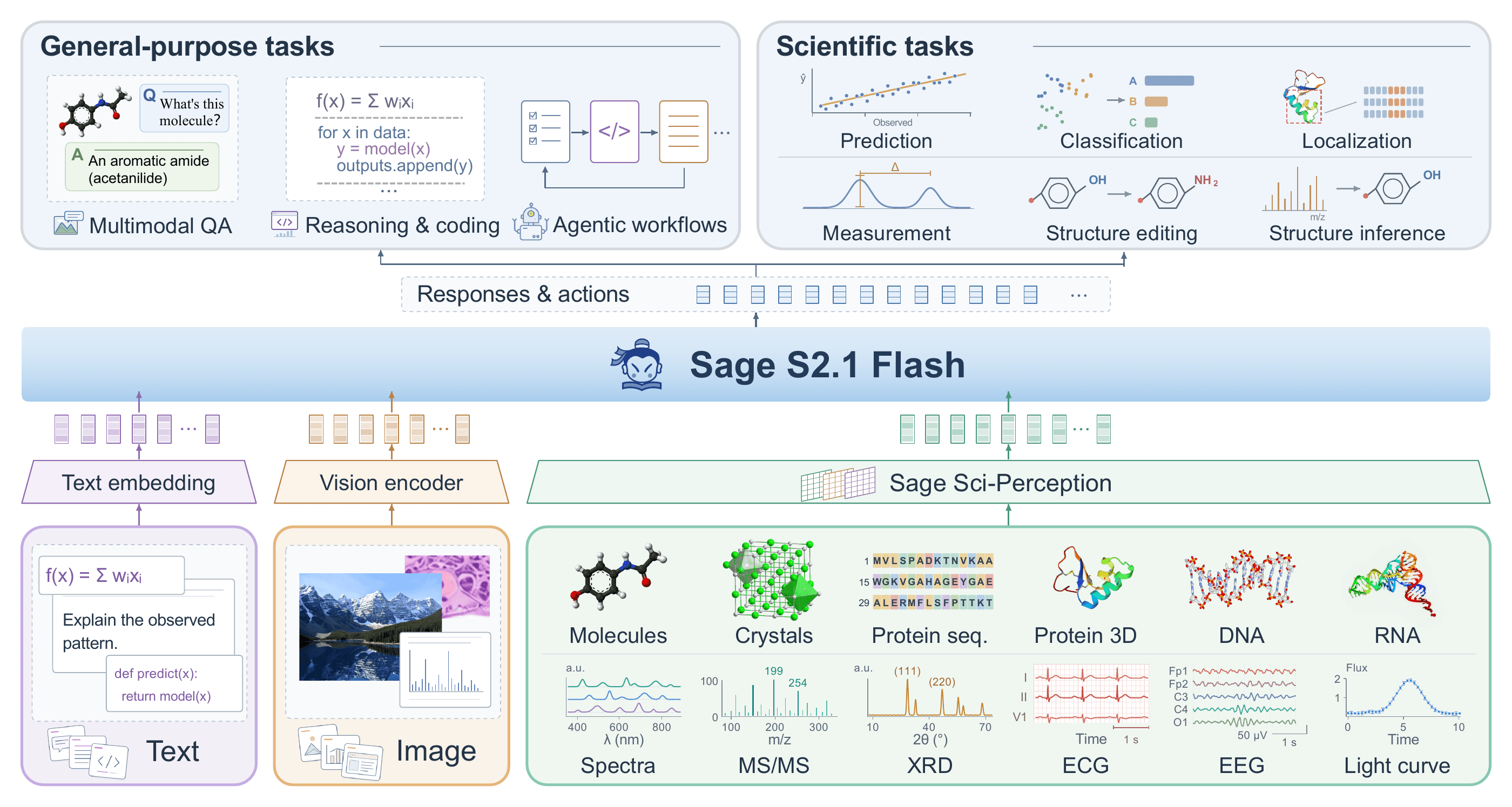
InternLM's Sage S2.1 Flash targets scientific reasoning
The 320B mixture-of-experts model is built to reason over scientific evidence and act inside interactive environments.

Haru-4B Brings Full-Duplex Speech to Six Languages
A compact 4-billion-parameter model handles real-time, two-way voice conversation across six languages in a single system.
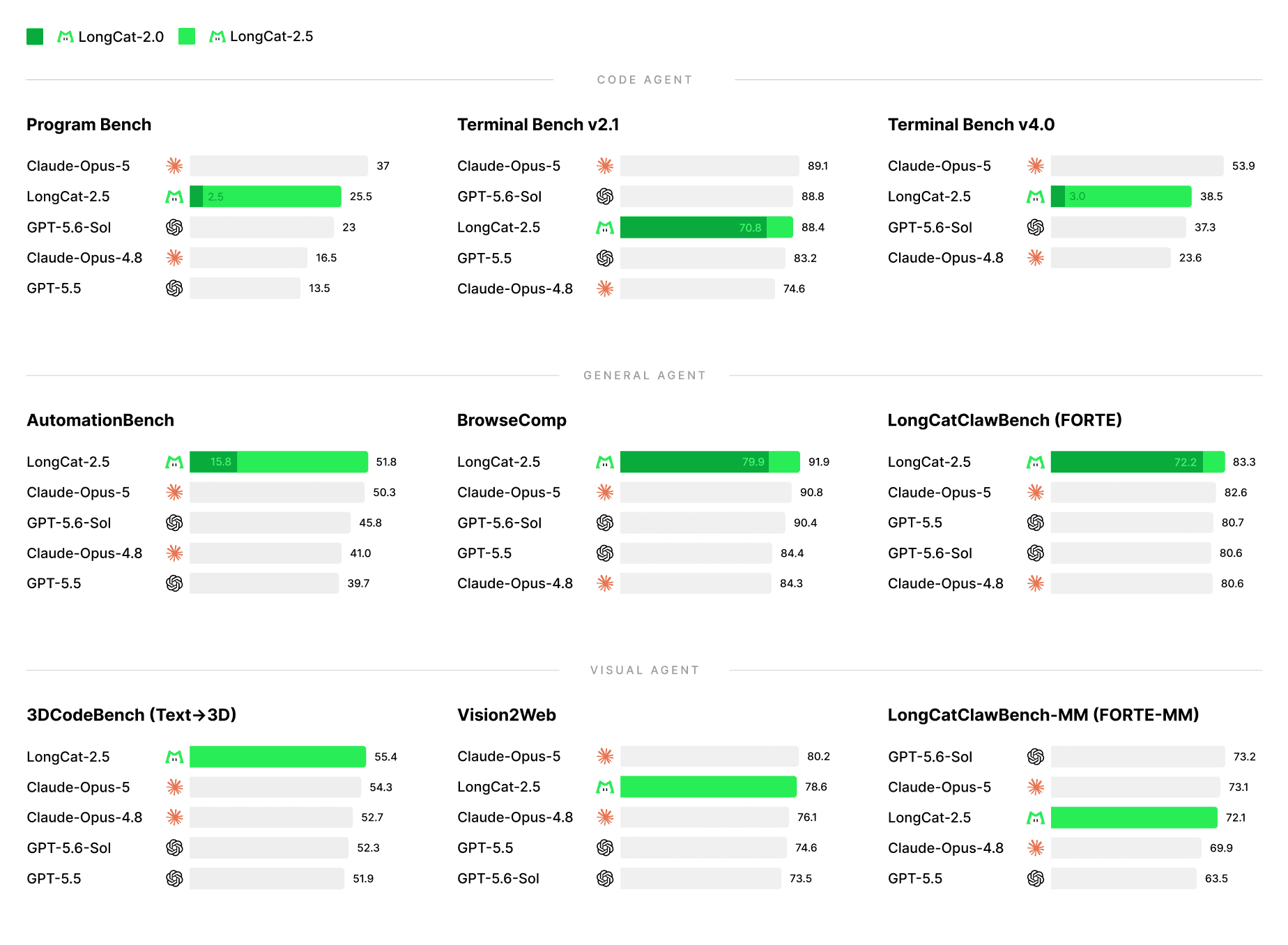
Meituan Releases LongCat 2.5, an MIT-Licensed MoE
The Chinese delivery giant expands its open-model push with a multimodal, agentic mixture-of-experts system.
0 comments
No comments yet. Be the first to weigh in.