H Company releases Holo4 for computer-use agents
The new vision-language model is built to drive generalist agents that operate real software interfaces.
H Company has released Holo4, a vision-language model aimed squarely at one of the hardest problems in applied AI: building agents that can actually operate a computer the way a person does. According to the company's launch post on Hugging Face, Holo4 is positioned as the engine for "generalist computer-use agents" — systems that perceive a screen and act on it.
Computer-use is a distinct discipline from general chat or coding. A model has to read a graphical interface, locate the right controls, and chain actions together reliably across many steps. That requires tight coupling between visual understanding and action planning, which is why Holo4 is framed as a vision-language model rather than a text-only system.
Why it matters
The race to make agents that can click, type, and navigate real applications has drawn in most major labs, and a credible open-weight entry changes the calculus for developers who want to build on top of this capability rather than rent it through a closed API.
- Holo4 targets generalist use, not a single app or workflow
- It is distributed through Hugging Face under a custom ("other") license
- The focus is on perception-plus-action rather than conversation alone
As always, the real test will be reliability on long, multi-step tasks, where small perception errors compound quickly. For now, Holo4 adds another serious option to the growing field of models built specifically to put agents to work inside everyday software.
Sources
More from OpenAI
All OpenAI releases →Reflection releases Beam, a 501B open-weight model
The startup's first frontier-scale model ships with downloadable weights and a mixture-of-experts design aimed at reasoning.
Aleph Alpha launches Kolibri, a sovereign open model
The German AI firm positions its new open-weight language model as a European alternative built for data control and compliance.
Thinking Machines ships Inkling, its first open model
The Mira Murati-founded lab makes its debut with an open-weights, reasoning-focused language model.
More in Vision-Language
All Vision-Language →
SenseTime Releases Looped 9B Multimodal Model
The company's new SenseNova-Loop-9B pairs vision-language capabilities with a recurrent looped-transformer design.
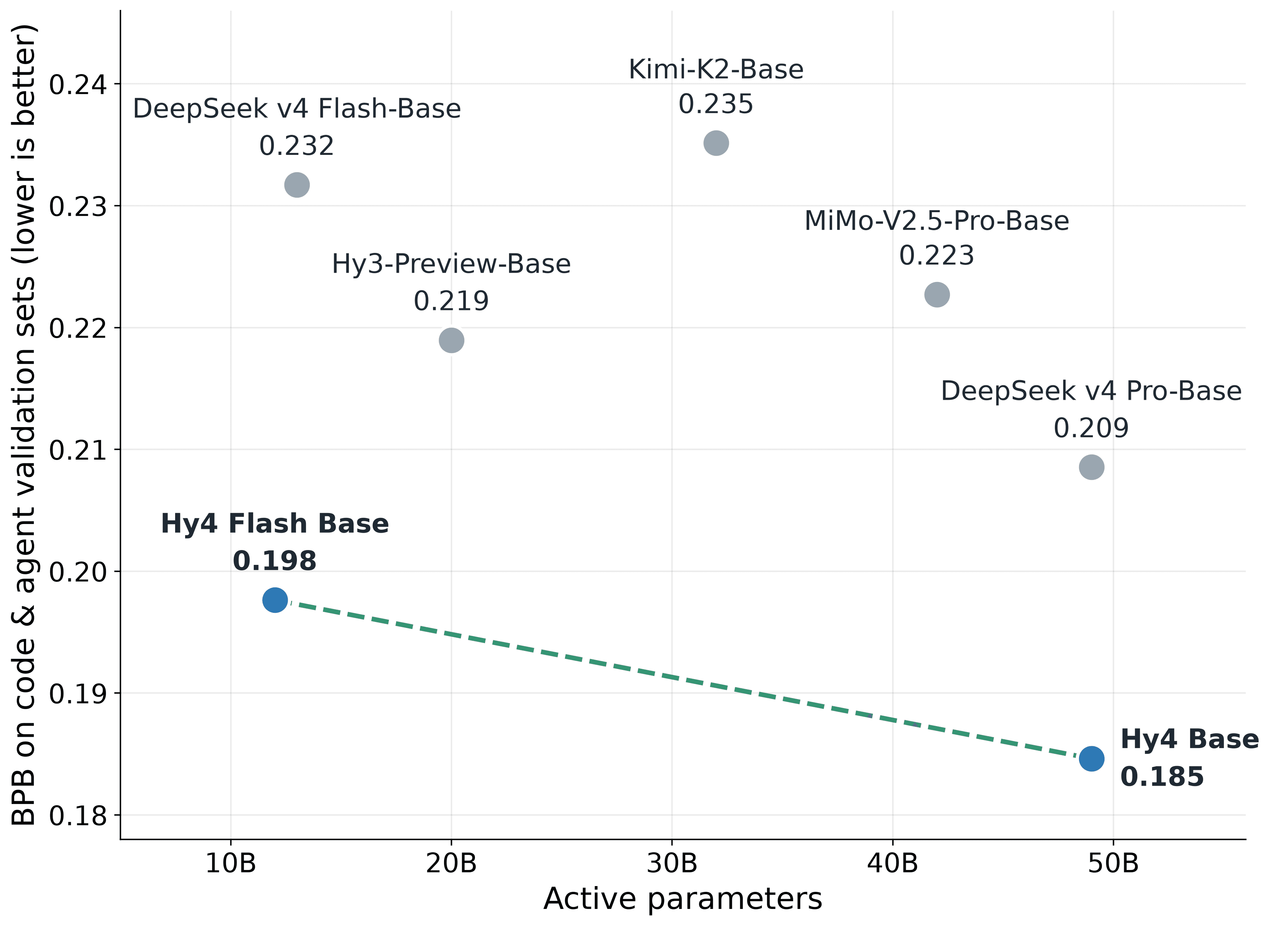
Tencent releases Hunyuan Hy4-flash multimodal MoE
The lightweight, mixture-of-experts model adds vision and text instruction-following to Tencent's open Hunyuan lineup.
Thinking Machines releases Inkling 2 Mini, a compact open MoE
The Apache-2.0 multimodal model uses a mixture-of-experts design aimed at running locally rather than in the cloud.
0 comments
No comments yet. Be the first to weigh in.