Hume AI Releases 3B Multilingual Text-to-Speech Model
The new model, Tada-3B-ML, is designed for fine-grained control over vocal expression across more than 10 languages.
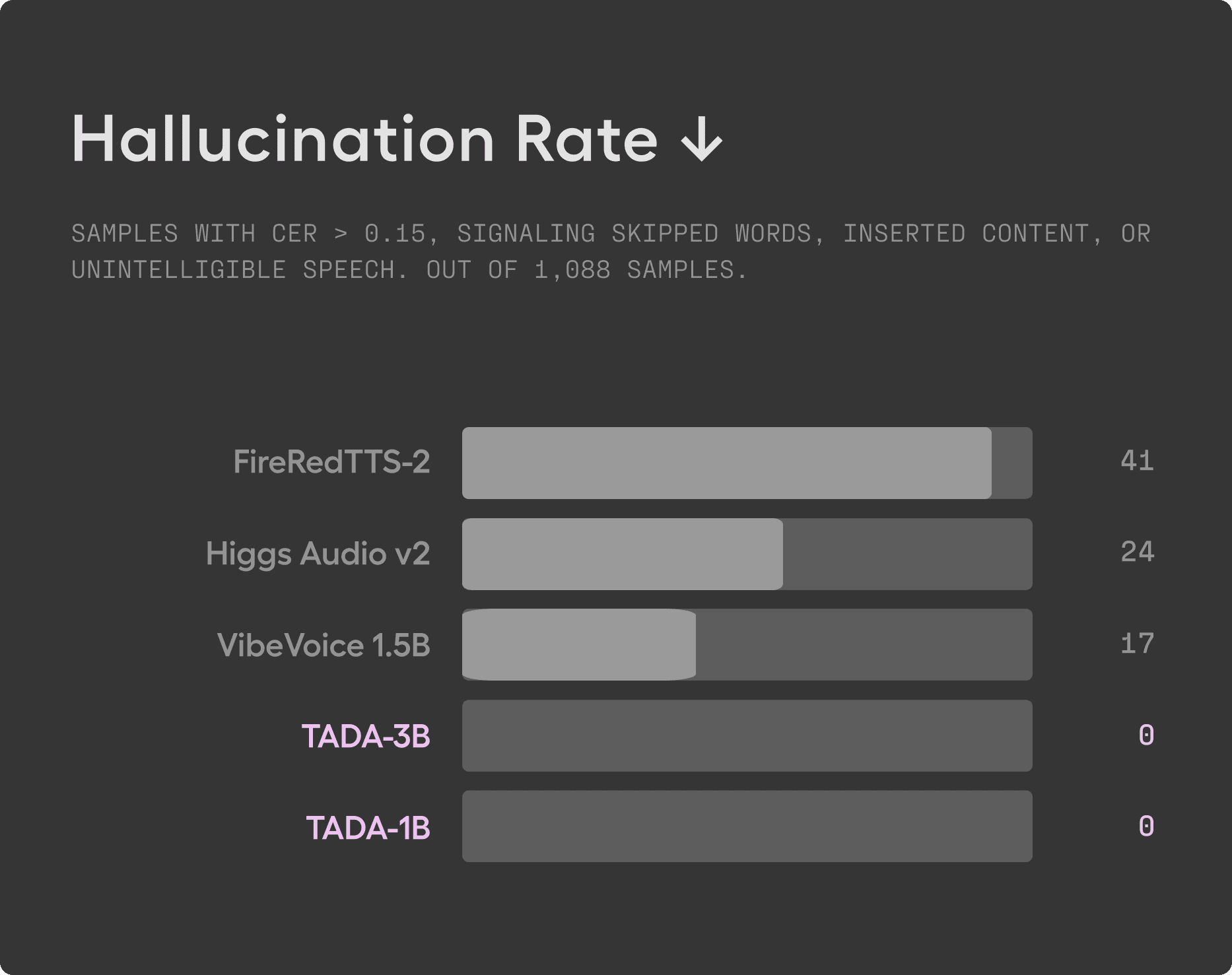
Hume AI has introduced Tada-3B-ML, a new 3-billion-parameter model for text-to-speech (TTS) synthesis. Released on Hugging Face, the model is designed to generate natural-sounding speech with a high degree of expressive control, a key challenge in creating human-like voice interfaces.
A central feature of Tada-3B-ML is its multilingual capability. The model supports a broad set of languages, enabling developers to create voice applications for a global audience. Supported languages include:
- English
- Spanish
- French
- German
- Mandarin Chinese
- Japanese
- Korean
- Hindi
- Portuguese
- Italian
This release contributes to the growing field of expressive and multilingual speech generation. By aiming to capture the subtle prosody and intonation of human speech, models like Tada-3B-ML allow for more nuanced and emotionally resonant applications in areas like voice assistants, audiobooks, and accessibility tools.
An Important Note on Licensing
While the model weights are publicly available, they are governed by a custom license from Hume AI, not a permissive open-source license like Apache 2.0 or MIT. The terms focus on research and non-commercial use and include specific restrictions. Potential users should review the license carefully before integrating Tada-3B-ML into their work.
Sources
- Visit
HumeAI/tada-3b-ml
Hugging Face
More in Text → Speech
StepFun's StepAudio 3 Realtime targets live voice AI
The audio-language foundation model builds a listen-converse-think-act loop aimed at natural, low-latency spoken interaction.
StepFun's StepAudio 3 Gen Unifies TTS and Music
A single discrete autoregressive model handles speech, voice design, sound effects, and music generation.

Breeze-TTS-2 Brings Open Voice Cloning to English
BreezeBlue's second-generation text-to-speech model pairs voice cloning with controllable direction, all under an open release on Hugging Face.
0 comments
No comments yet. Be the first to weigh in.