Hume AI Releases TADA 1B for Expressive Speech
The new 1-billion-parameter model combines a Llama 3.2 base with text-to-speech to generate more natural and nuanced audio.
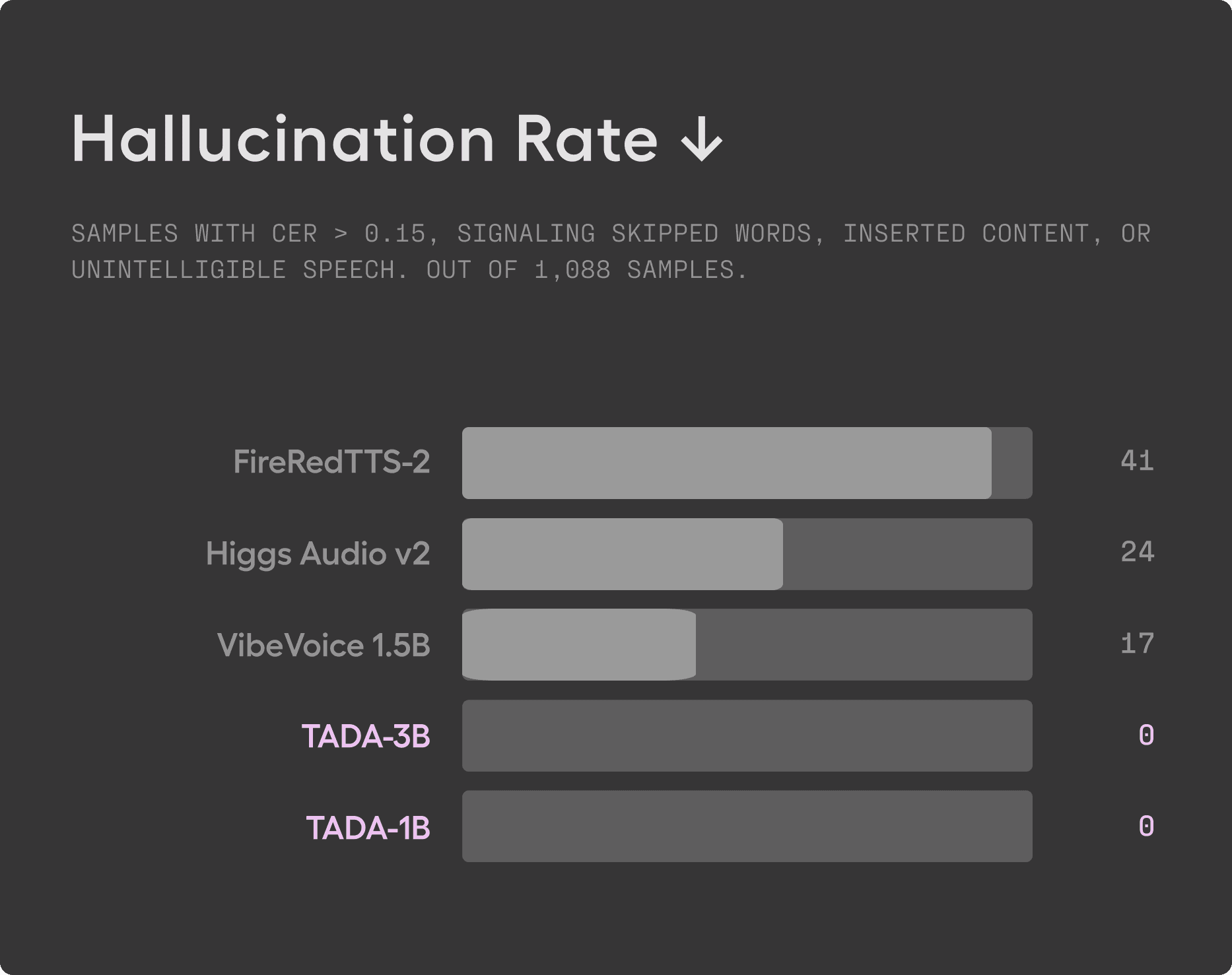
Hume AI has introduced TADA 1B, a new 1-billion-parameter model designed to bridge the gap between language understanding and speech synthesis. The model aims to move beyond robotic text-to-speech (TTS) by generating audio with realistic vocal nuance and prosodic variation, making it sound more natural and expressive.
The key innovation in TADA is its architecture. Instead of a multi-stage pipeline, the model is built directly on top of Meta's recently released Llama-3.2-1B. This integration allows the model to use the language model's inherent understanding of context and semantics to inform how the corresponding speech should be rendered, from pacing to intonation.
This "speech-language model" approach represents a significant trend in generative AI, merging capabilities that were once separate. By building synthesis directly on a foundation of language comprehension, models like TADA can produce audio that better reflects the underlying meaning of the text. This has implications for creating more compelling conversational agents, dynamic audiobook narration, and accessible user interfaces.
The model is available now on the Hugging Face Hub for developers to explore. It's released under a Llama-style license, which permits research and development but carries restrictions on commercial use, a key consideration for anyone looking to build with the technology.
Sources
- Visit
HumeAI/tada-1b
Hugging Face
More in Text → Speech
StepFun's StepAudio 3 Realtime targets live voice AI
The audio-language foundation model builds a listen-converse-think-act loop aimed at natural, low-latency spoken interaction.
StepFun's StepAudio 3 Gen Unifies TTS and Music
A single discrete autoregressive model handles speech, voice design, sound effects, and music generation.

Breeze-TTS-2 Brings Open Voice Cloning to English
BreezeBlue's second-generation text-to-speech model pairs voice cloning with controllable direction, all under an open release on Hugging Face.
0 comments
No comments yet. Be the first to weigh in.