HiDream.ai Releases 17B Open Image Editing Model
The new MIT-licensed model, HiDream-E1.1, allows for complex image modifications by following natural language instructions.
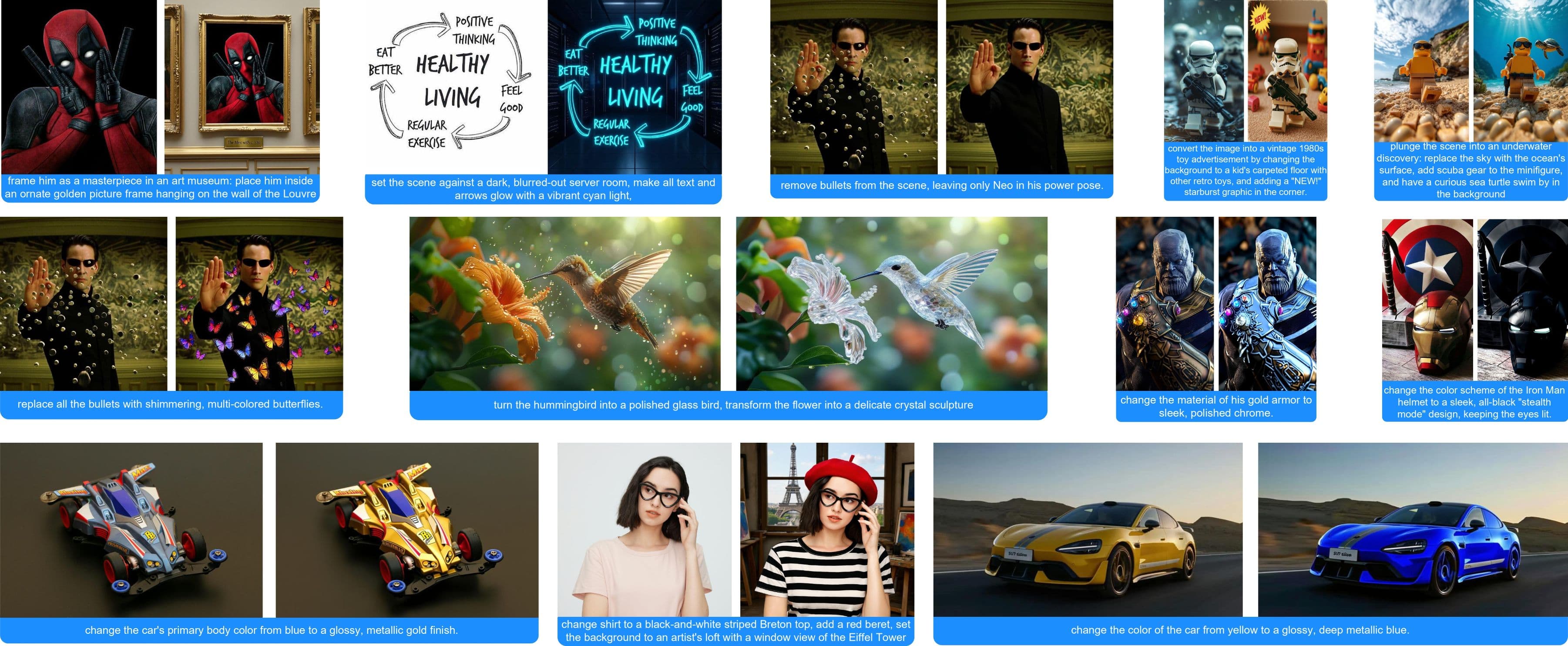
Startup HiDream.ai has released HiDream-E1.1, an open-source model designed for instruction-based image editing. The model allows users to modify existing images by providing simple text commands, offering a powerful new tool for developers and creative professionals working with generative AI.
What sets HiDream-E1.1 apart is its scale. At 17 billion parameters, it is a significantly larger model than many open-source alternatives in the image editing space. This substantial size suggests a capacity for understanding more nuanced and complex instructions, potentially leading to more precise and sophisticated edits than smaller models can achieve.
According to the release notes, the model is an evolution of HiDream-I1, the company's foundational text-to-image model. By fine-tuning this base for editing tasks, the new release specializes in modifying images rather than generating them from scratch.
The model is available under a permissive MIT license, encouraging broad adoption for both research and commercial applications. Developers can explore and download the HiDream-E1.1 model on the Hugging Face Hub to begin integrating it into their own projects.
Sources
- Visit
HiDream-ai/HiDream-E1-1
Hugging Face
More in Image Editing
LLaDA-Image: A Fully Open 6B Image Generator
inclusionAI pairs a diffusion transformer with a frozen vision-language model and publishes the entire training recipe.
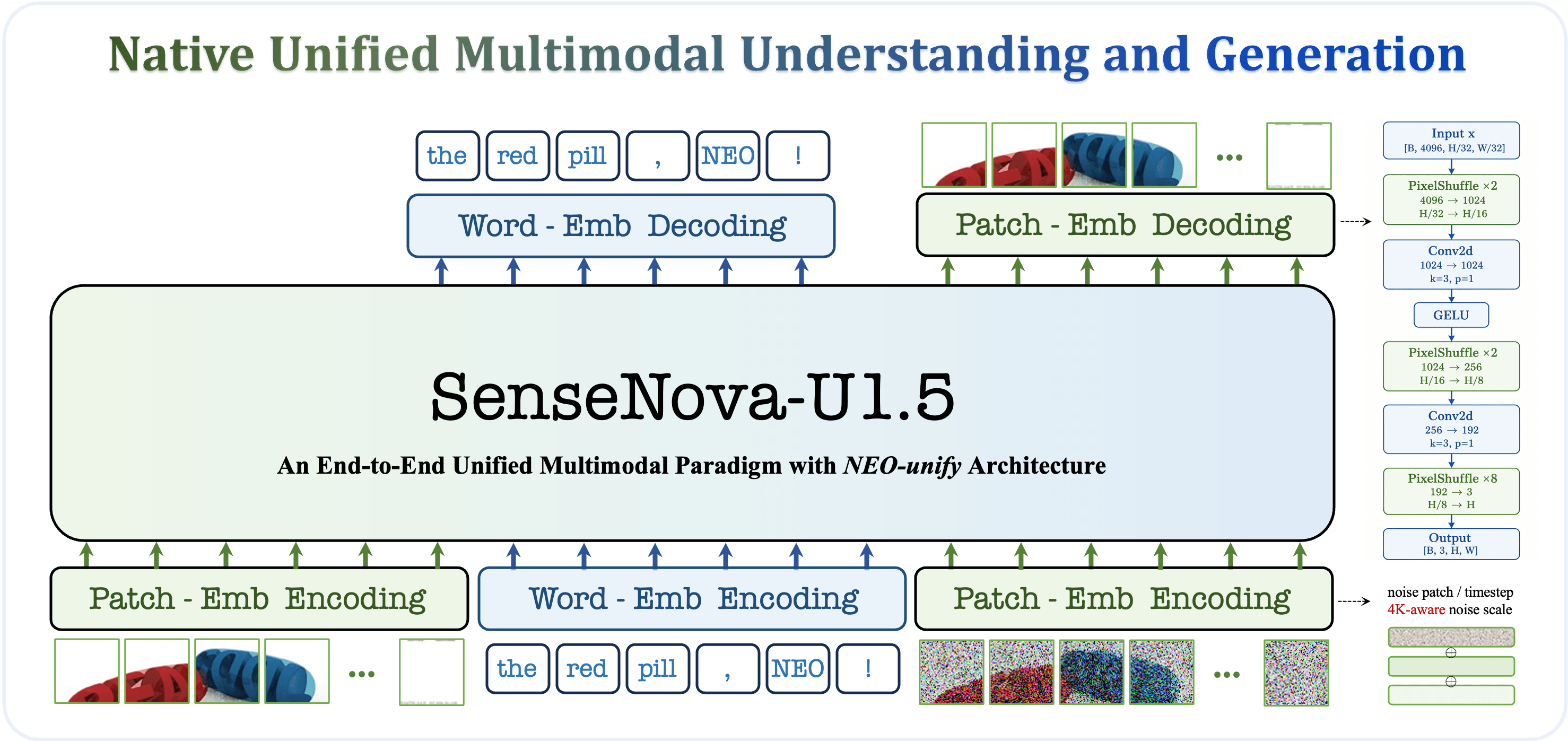
SenseTime Debuts SenseNova U1.5 8B Multimodal Preview
An 8B any-to-any model that reads, generates, and edits images at up to 4K resolution, released as an early preview.

Microsoft's Mage-Flow packs image editing into 4B
A compact model handles both text-to-image generation and instruction-based edits at native resolution, under a permissive MIT license.
0 comments
No comments yet. Be the first to weigh in.